
A good plot gives you something to write after the excitement of chapter one wears off. The best book ideas leave room for hard choices, wild finds or useful lessons. Rather than starting with an entire manuscript, choose a subject that makes you curious about what happens next.
Start with the prompt in the box above. The 30 options below cover modern life, mysteries, fantasy, romance, children’s stories and nonfiction. Each suggestion supplies a starting point and a task that helps you discover whether your concept deserves a longer draft.
Table of Contents
How to use book ideas in Gemini and ChatGPT

Copy one prompt into either chat tool and adapt its readers, setting and tone to suit your project. Request several versions before settling on a path, then save promising book ideas in a new file. Keep your own voice in charge.
The ChatGPT prompting guide recommends specific instructions, while Gemini Help describes brainstorming and outlining. Our short story ideas offer another starting point when a full novel feels too large. Test your favorite premise in a brief scene.
Modern life plots

Plain lives become rich when a choice carries an sudden cost. Try grounding modern book ideas in a familiar job or home routine. Give the central hero a reason to resist the very change they need.
- The spare key: “Build a novel about a shoe repairer who finds a key inside a customer’s boot. Outline how going back it disrupts his life.”
- Borrowed weekends: “Plan a story about siblings who inherit a small bakery but can only work together on Sundays. Create clashing goals, a dispute and an ending without selling.”
- The empty chair: “Outline a novel about a retired choir director who joins an amateur singing group without sharing her story. Build four turns involving friendship and pride.”
- One more delivery: “Create a person-led plot about a bicycle courier who receives a package addressed to his childhood self. Keep the answer real and build two consequences of identifying the sender.”
- The repair season: “Picture neighbors who must restore a shared laundry room after a flood. Propose chapters where disputes test their trust.”
Mystery and suspense plots

Mystery book ideas need an answer that makes earlier clues key on a second reading. Decide who knows the truth before mapping the search. Keep the danger proportionate to the readers, especially in a cozy mystery.
- The missing tiny: “Outline a cozy mystery about a tiny sculpture that disappears from a museum before an art show. Create four suspects, three clues and a logical solution.”
- A bell at noon: “Build a suspense plot around a village bell that rings when its clockwork is unplugged. Offer three answers, a false lead and a sharing discovery.”
- The swapped quilt: “Design a mystery about two handmade quilts exchanged at a local fair. Give the amateur detective a motive to investigate and connect patterns to a family dispute.”
- The silent rehearsal: “Map a story about a pianist who arrives at rehearsal to find every friend missing. Avoid graphic violence, map the timeline and reveal the innocent mistake.”
- The wrong heirloom: “Create an mystery novel about an antiques dealer who recognizes an inherited object as a real replica. Draft finds forcing a choice between honesty and friendship.”
Fantasy and science fiction

Magic becomes more compelling when its limits affect daily choices. Give fantasy book ideas a rule that even strong heros cannot ignore. Think about how the same invention or spell might help one person while inconveniencing another.
- The weather keeper: “Build a fantasy novel where a machine stores tomorrow’s rain in glass vessels. Establish three limits, a water dispute and an hard choice.”
- The second shadow: “Picture a city where shadows can leave their owners for one hour each evening. Design rules, an unusual job and a shadow refusing to return.”
- Memory orchard: “Sketch a fantasy story about trees that grow fruit containing forgotten memories. Explain the cost of harvesting, create opposing views and a journey about identity.”
- The quiet satellite: “Map a science fiction novel about a maintenance worker who hears an strange melody sent by an abandoned satellite. Build fictional technology, alternative answers and a contact dilemma.”
- A room for winter: “Create a fantasy plot about a house with one room that always contains winter. Define how the room works, why it stays secret and what happens when discovered.”
Romance and love stories

Strong romance book ideas give both leads goals outside their love. Let sparks grow through actions that reveal their values, not just compliments. A disagreement about the future can feel more personal than a misunderstanding that one conversation would solve.
- The last seedling: “Plot a sweet romance between two local gardeners competing for one rare seedling. Give each an goal, three meetings and a resolution honoring both dreams.”
- Opposite shifts: “Build a slow-burn romance between a morning baker and an evening building caretaker. Show work conflicts, small gestures and an ending respecting both careers.”
- The borrowed studio: “Sketch a romance between a ceramic artist and a wood restorer sharing a rented workspace. Give them clashing habits, a joint project and a reason to reconsider.”
- Two hometowns: “Create a second-chance love story about former friends preparing a regional food festival. Explore their time apart, growth and reconnection without erasing hurt.”
- A quieter song: “Shape a romance between a sound engineer and a musician who dislikes playing in public. Build sparks through teamwork, respect boundaries and avoid miracle cures.”
Children’s story starters
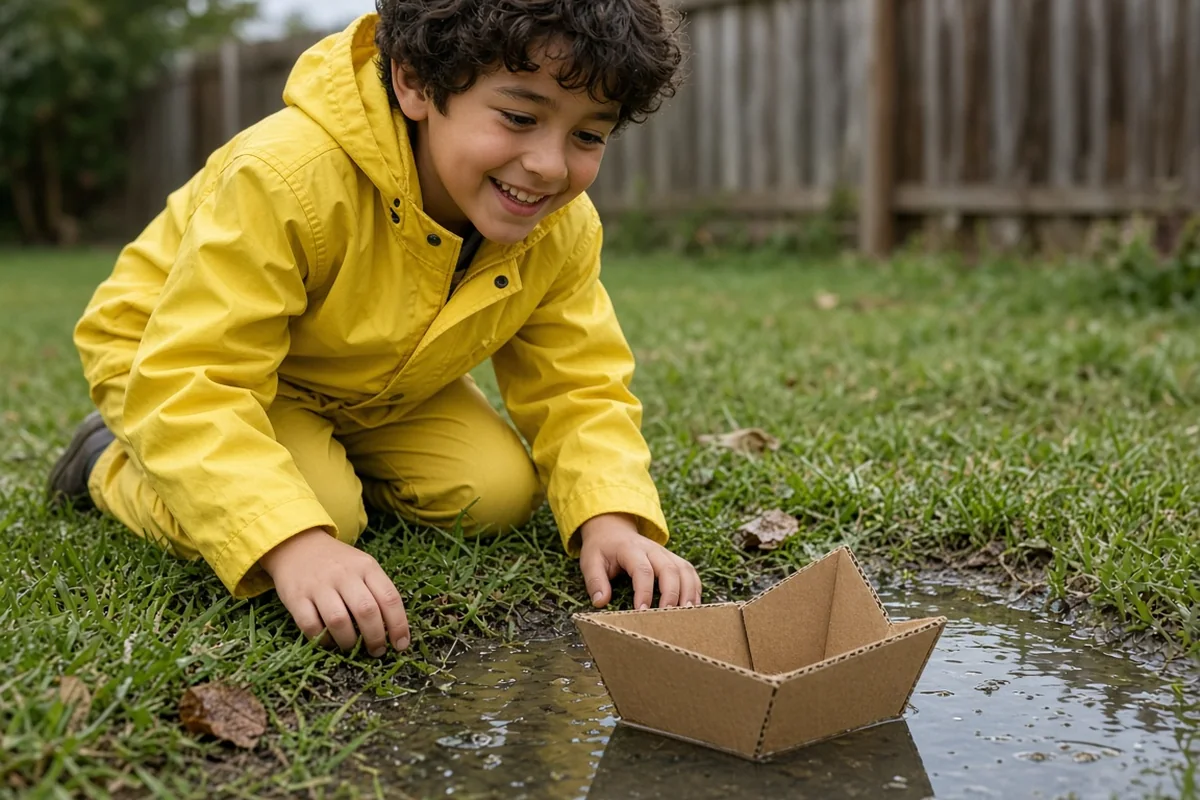
Young readers deserve a story with a problem they can understand and a warm outcome. Choose children’s book ideas with a clear heart goal and clear actions. Tailor the vocabulary and length to the target reading age.
- The puddle captain: “Draft a picture-book outline for ages four to six about a child whose cardboard boat will not float. Use playful beats, a friend and an ending about trying again.”
- The shy drum: “Invent a read-aloud story for ages three to five about a little drum afraid of loud sounds. Create a cast, repeated phrase and ending cheering quiet participation.”
- Saturday’s sock: “Shape an early reader for ages six to eight about a missing sock that travels through a house. Keep sentences simple, include three finds and an independent solution.”
- The tiny team: “Write a chapter-book outline for ages eight to ten about friends building a tiny obstacle course for toy animals. Introduce a dispute, teamwork and a challenge rewarding everyone.”
- A pocket of clouds: “Picture a picture book about a girl who collects imaginary clouds when she misses her grandfather. Outline a warm story with simple language, family support and varied feelings.”
Nonfiction and memoir

Useful nonfiction book ideas begin with a reader’s ask or a specific story worth trying. Narrow the subject to something you can explain with ease. Mark gaps in your knowledge before requesting a chapter plan.
- Making room: “Plan a handy book for renters setting up small spaces without costly wood. Outline eight chapters, suggest real steps and flag any advice that needs safety checks.”
- The family table: “Help me plan a memoir around meals shared with family during new life stages. Provide talk asks, themes and ways to mark uncertain memories without invention.”
- Learning after work: “Design a nonfiction outline for adults going back to study while working full time. Include routines, setbacks, support and check asks instead of unsupported claims.”
- The local exchange: “Plan a handy guide to setting up a local skill-sharing group. Cover invites, easy access, tasks, feedback and local requirements to verify.”
- Objects with stories: “Build a memoir plan built around ten key home objects. Suggest asks about real events, a theme and privacy.”
Fix common problems with AI writing prompts
When AI returns generic book ideas, specify what makes your hero new from others in the genre. Ask for a conflict without luck or an ending without a sudden rescue. Request changes to individual scenes rather than replacing the entire outline.
The OpenAI prompt-writing advice suggests splitting complex requests into smaller tasks. Apply that approach to weak book ideas by working separately on motivation, conflict and structure. Check factual material yourself and replace invented details with verified information.
More writing inspiration

Develop your favorite concepts with our character voice rewriter and worldbuilding bible generator. The editorial outline prompt can help organize nonfiction. Browse lesson plan prompts for teaching projects or the full writing prompts collection for another creative exercise.
Questions about book ideas

How do I come up with book ideas?

Start with a moment you understand, a ask you cannot answer or a hero whose choices hook you. Combine two ideas and explore what could change if the hero makes a hard choice.
How do I know if my book ideas are worth growing?

Describe the plot to someone in a few sentences and draft a short sample. Notice whether you can picture further twists or chapters without repeating the same material.
Can AI help me build fresh book ideas?

Yes. Ask for several possible paths, then combine or change details using your own own mind. Check similar real works before saying that your plot is unique.
What should I do after choosing a plot?

Draft a short outline that names your reader, the main conflict or ask, and a possible ending. Write a sample chapter before jumping in to a full manuscript.