A couch-seat debate turns any evening into a mock trial. The trick with funny debate topics is choosing a question that gives each side a reasonable case. Nobody needs to be right about the answer.
Start above, then try the 30 options for food, school, friends, work, imaginary worlds, and quick games. Each pairs a question with an AI request for arguments that you can adapt for your group.
Table of Contents
How to use funny debate topics in Gemini and ChatGPT

Paste a prompt into Gemini or ChatGPT, set the audience, time, and humor, and ask for two equal sides. Read both drafts aloud before you share them with your group.
OpenAI’s prompt advice recommends clear tasks, context, and tone. Gemini’s help guide covers brainstorming and drafts. To adapt funny debate topics for a class, pair the output with this lesson plan builder.
Funny debate topics about food

Food gives funny debate topics an easy start since everyone knows the dish. Focus funny debate questions on serving habits, not diets. A good answer can defend a choice without claiming that anyone else eats the wrong way.
- Pancake folding: “Should pancakes be folded or left flat? Write a mock food court case for each side, with two reasons and one playful objection. Add a funny objection and a question about texture.”
- Toast timing: “Should toast cool before butter goes on? Give both sides a short opening speech about texture and convenience. Include a fictional breakfast mishap and a fair rebuttal.”
- Snack order: “Should people eat the best snack first or last? Create two opposing speeches for a friendly lunch debate. Add a snack tray example and a closing line.”
- Soup cups: “Should soup be served in cups instead of bowls? Draft a playful debate between two café owners with opposite views. Each owner needs a comic pitch and rebuttal.”
- Cookie sharing: “Should broken cookies count as free samples? Write a pretend bakery policy debate with two sides, a customer objection, and a baker’s reply. Include a customer objection and a fair compromise.”
School debates for students

In class, funny debate topics work well as short warmups. Pick silly debate topics students grasp without research. Assign sides at random. Ask each pupil to give one reason before the next turn.
- Pencil retirement: “Should tiny pencils get a retirement party? Write two short arguments for middle school students. Include a fictional pencil story and a kind joke.”
- Desk names: “Should classroom desks have names? Create an affirmative and negative case for elementary students. Add a desk name and a question about moving furniture.”
- Homework holidays: “Should homework have its own vacation week? Draft two student speeches with equal time and a friendly tone. Include a calendar mix-up and a rebuttal.”
- Hallway lanes: “Should school hallways have slow and fast lanes? Make a debate outline for teens with two claims per side. Add a fairness question and a closing argument.”
- Mascot meetings: “Should the school mascot attend every class meeting? Give the supporting team a case about school spirit and the opposing team a case about distractions. Include a comic meeting scene and an audience question.”
Playful arguments with friends

At game night, funny debate topics work best when both sides feel equal. The best funny debate subjects here are tiny choices with room for dramatic speeches. Let friends switch sides halfway through to see who can defend the opposite view.
- Assigned seats: “Should a couch have assigned seats? Act as a host for a mock living room debate. Add a seating dispute and a rule to vote on.”
- Cushion limits: “Should there be a limit on couch cushions? Write two contrasting one-minute cases for friends, one for comfort and one for space. Include a cushion emergency and a fair rebuttal.”
- Playlist veto: “Should every guest get one song veto? Build a friendly game night argument with an example of a fictional song choice. Add a fictional song and a tie-breaking rule.”
- Mystery leftovers: “Should the last slice of cake need a reservation? Create a playful household debate with two speakers and a neutral judge. Include a dessert mix-up and a compromise.”
- Board game names: “Should players invent a new nickname for every board game? Write two brief cases about fun and confusion. Invent three nicknames and a vote question.”
Lighthearted debates for work and adults

At work, funny debate topics should skip pay, appearance, and private habits. Shared routines offer plenty of funny things to debate without putting a colleague on the spot. Keep participation optional and give people a way to pass.
- Break room silence: “Should breaks include a quiet minute? Draft two light office debate speeches about rest and chat. Add a fictional example and a fair compromise.”
- Meeting mascots: “Should meetings have an imaginary mascot? Write opposing cases for a team icebreaker, using a fictional mascot with no brand or real person attached. Include a drawback and a comic closing line per side.”
- Desk plant names: “Should every office plant receive a job title? Create a pretend office debate about plant titles, with two reasons per team. Add a plant promotion and a neutral judge question.”
- Monday theme songs: “Should Monday start with a team theme song? Prepare two short speeches about energy and peace at work. Include a fictional example and a quiet compromise.”
- Chair awards: “Should the comfiest office chair win an award? Write a mock award committee argument with a pro and con team. Add a silly award name and a closing vote.”
Weird and imaginary debate ideas

Weird funny debate topics need clear rules first. Set the pretend world before teams speak. Weird topics to debate can still have a sound argument if both sides share the same premise.
- Dog mayors: “Should dogs be allowed to run imaginary towns? Create a fictional town where dogs can talk. Include a town problem and a reply about fairness.”
- Robot birthdays: “Should household robots celebrate birthdays? Write two arguments set in a made-up home where robots can express preferences. Add a chore dispute and a funny objection per side.”
- Cloud rentals: “Should people rent clouds for shade in a fantasy town? Build a fictional debate about shared space and comfort. Include a cloud booking mix-up and two points per side.”
- Talking socks: “Should talking socks choose their own partners? Imagine socks that can speak but cannot walk. Add a laundry dispute and a fair judge question.”
- Moon cafés: “Should cafés on an imaginary moon serve floating snacks? Set a fictional café rule about floating food. Include a serving mishap and a practical rebuttal.”
Quick debates for games and icebreakers
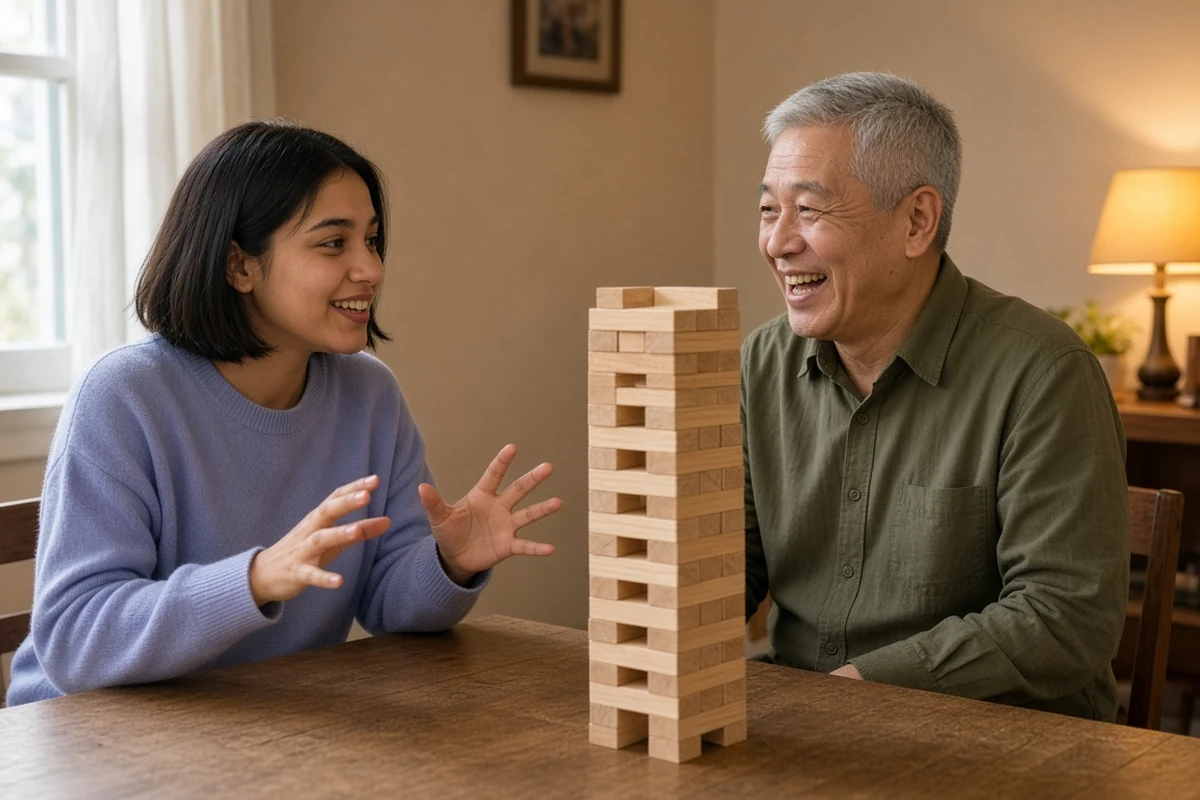
Quick rounds fit funny debate topics needing no prep. Save longer speeches for later and let a judge score. Subjects to debate for fun should be simple enough for a new player to join.
- Block towers: “Should a block tower have a roof? Create a thirty-second opening for each team in a casual building game. Add two reasons and a follow-up question.”
- Dice applause: “Should players applaud every dice roll? Draft two quick speeches about encouragement and noise. Include a fictional game mishap and a vote.”
- Puzzle corners: “Should puzzle corners always be found first? Give two players different approaches to a pretend puzzle challenge. Add a playful objection and a question for beginners.”
- Winning dance: “Should game winners invent a victory dance? Create a quick debate about celebration and choice with equal arguments for both teams. Invent a dance name and an optional compromise.”
- Timer sounds: “Should game timers make animal noises? Write two short cases for a party game, one about fun and one about focus. Add a timer mishap and one rebuttal per side.”
Fix common problems in AI debate drafts

Uneven arguments can spoil funny debate topics before the first speaker takes a turn. Ask for equal time and a strong objection to each claim. Try a follow-up such as “Rewrite both cases without personal jokes or invented facts.”
The ChatGPT capabilities guide describes rewriting and creative drafting. Keep the humor tied to the question when revising funny debate topics. Replace invented evidence with a stated opinion, an imaginary example, or a fact you can check.
More playful discussion inspiration

Turn your favorite question into a scene with short story ideas. Try a character voice rewriter for distinct speakers, a Socratic tutoring prompt for follow-up questions, or a meeting agenda for timed rounds. Browse writing prompts for other formats.
Questions about funny debate topics

What are funny debate topics for beginners?

Start with food, games, or small household rules that need no research. The best funny debate topics for a first round let both teams explain their choice with a familiar example.
Which silly debate topics are good for kids?

Try named desks, talking socks, or birthday parties for imaginary robots. Give children a simple question, equal turns, and a rule against jokes about other players.
Can ChatGPT write both sides of funny debate topics?

Yes. Ask ChatGPT to draft a case for each side, a rebuttal, and a short closing line. Check the draft for made-up facts before you read it aloud.
How do I keep funny debates friendly?

Choose a harmless topic, set equal speaking times, and let anyone pass. Judge the strength of the argument rather than the person making it.