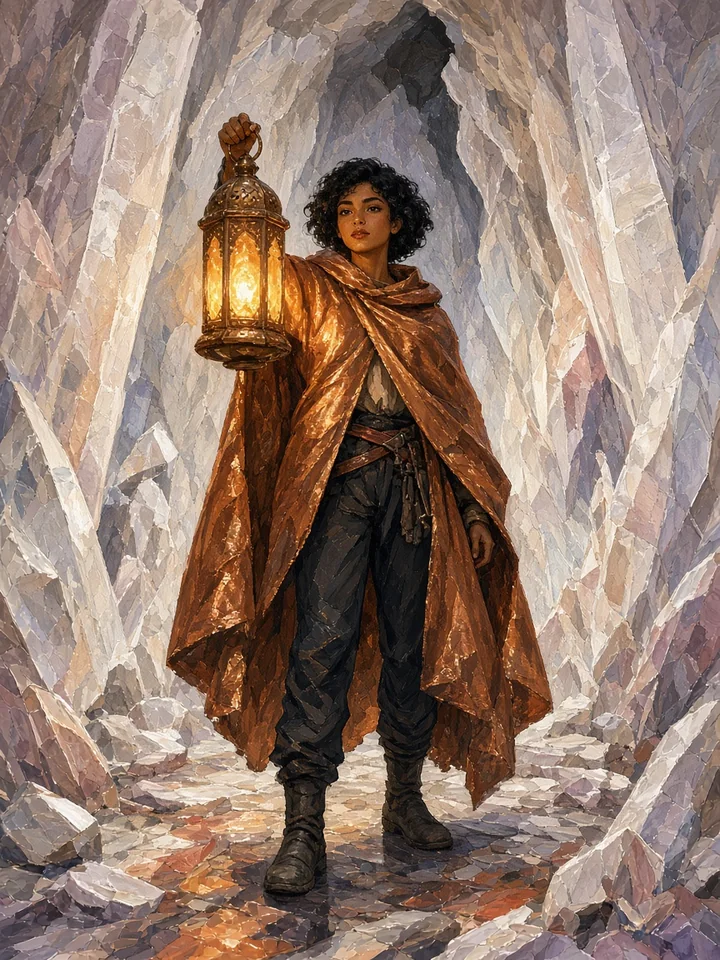
An OC drawing gives you a chance to invent someone who exists only in your imagination. Start with a clear shape and a small story rather than trying to finish every detail at once.
Start with the prompt in the box above. The 30 options below cover simple sketches, cute creatures, fantasy roles, anime styles, science fiction and expressive poses.
Table of Contents
How to use OC drawing in Gemini and ChatGPT
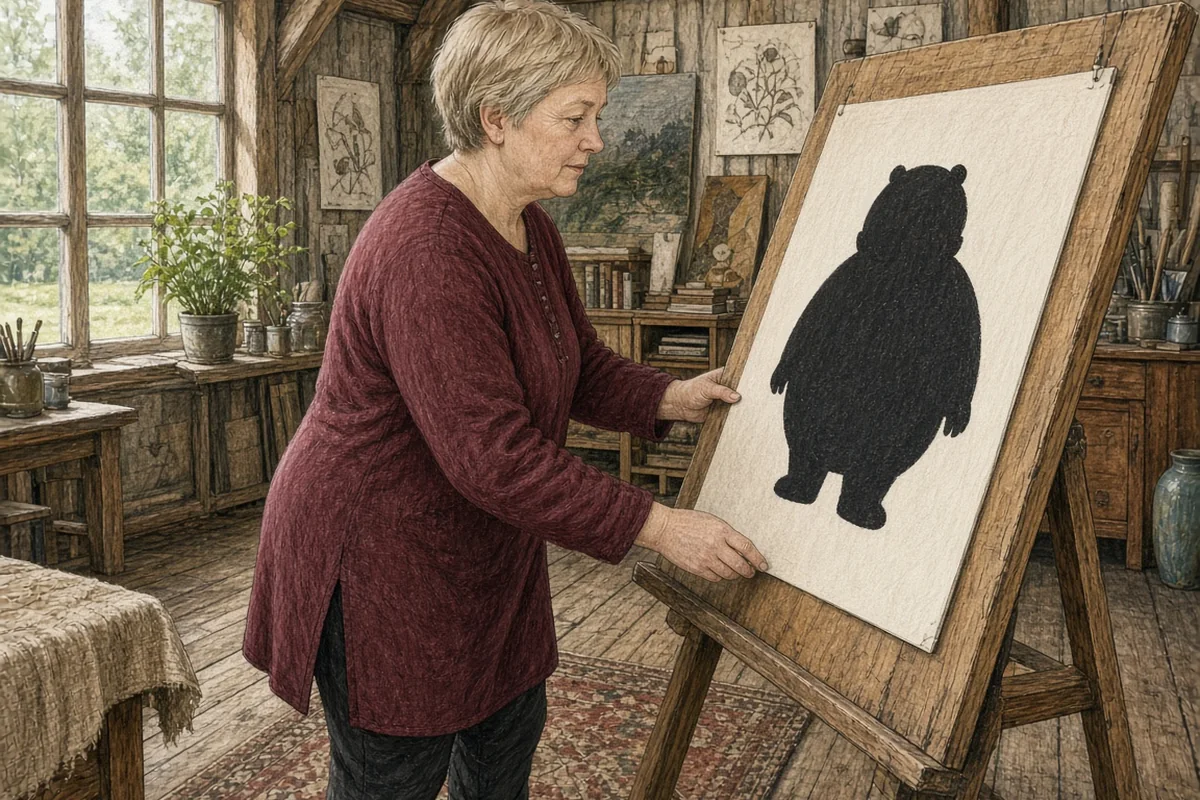
Copy a prompt and replace the appearance, clothes or setting with your own details. Upload a sketch you made or have permission to use as a reference. Request a full figure with room around the head and feet. Save the OC drawing before experimenting with a new pose.
The ChatGPT image guide explains how to create and edit an image from instructions. The Gemini image guide covers generation and editing as well. Explore a consistent illustration system when you want to keep a visual style across several characters.
Easy OC drawing ideas for beginners
A simple outfit and one clear action make a first sketch much easier to finish. Give your OC drawing a strong outline before adding small details. Try a plain background if you are still learning body proportions.
- Book sorter: “Draw a young adult in an ochre vest sorting blank books in an attic. Graphite lines, soft skylight, full seated figure, clear hands, vertical 3:4, no text.”
- Kite maker: “Sketch a teenager in a lilac sweater holding a diamond kite on a grassy slope. Colored pencils, pale sky, full standing pose, landscape 3:2, no text.”
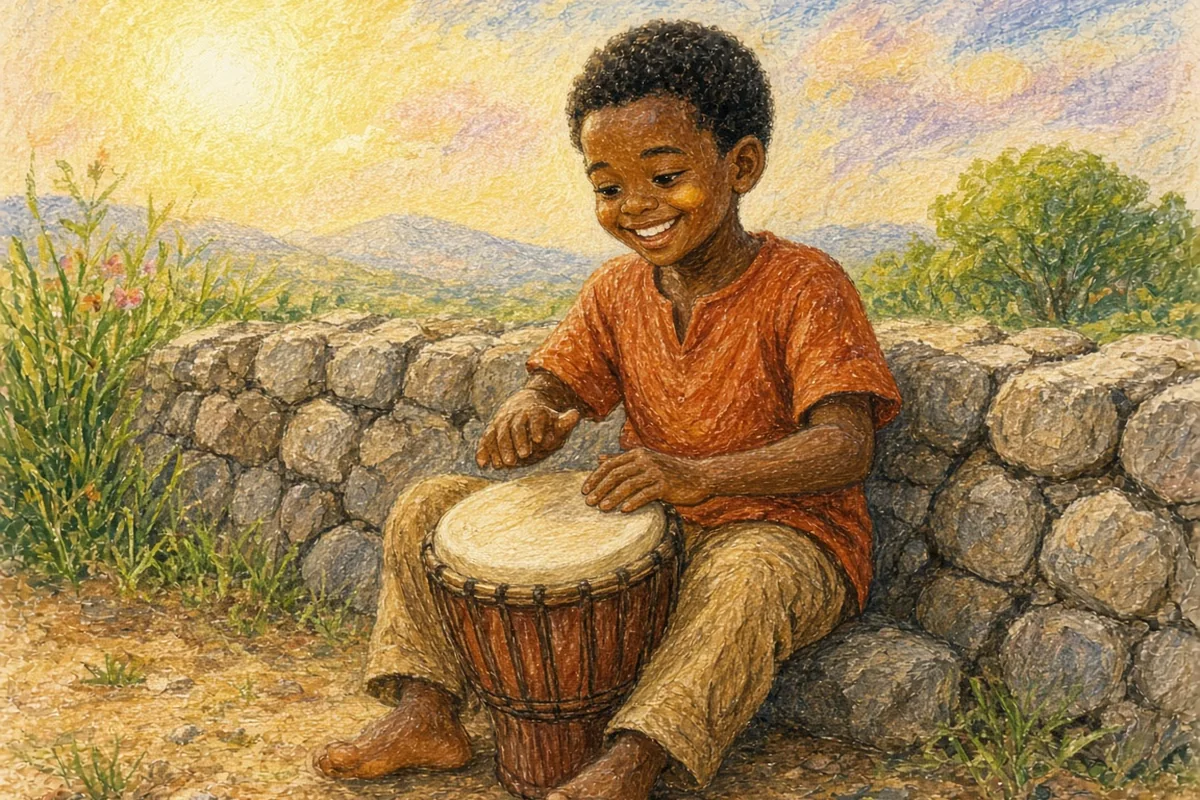
- Little drummer: “Illustrate a child in a rust shirt tapping a drum beside a stone wall. Thick crayon outlines, morning shadows, visible feet and hands, landscape 3:2, no text.”
- Umbrella repairer: “Draw an elderly man in a moss coat repairing an umbrella inside a shed. Fine pen lines, window light, full seated figure, landscape 3:2, no text.”
- Bread runner: “Sketch a woman in a blue apron carrying bread through a kitchen doorway. Soft pastels, bright daylight, lively walking pose, full figure, vertical 3:4, no text.”
Cute characters and cozy scenes
Rounded silhouettes suit a gentle character, especially when the outfit has one playful feature. An OC drawing can feel warm without a complicated setting. Pick an ordinary task and let the character’s unusual shape supply the charm.
- Cloud tailor: “Paint a cream cloud creature in a violet waistcoat sewing a patch in a sunlit loft. Watercolor washes, faint pencil edges, clear paws, landscape 3:2, no text.”
- Acorn librarian: “Draw a mouse in a red scarf shelving a blank book inside an acorn library. Colored pencil texture, amber light, side view, landscape 3:2, no text.”
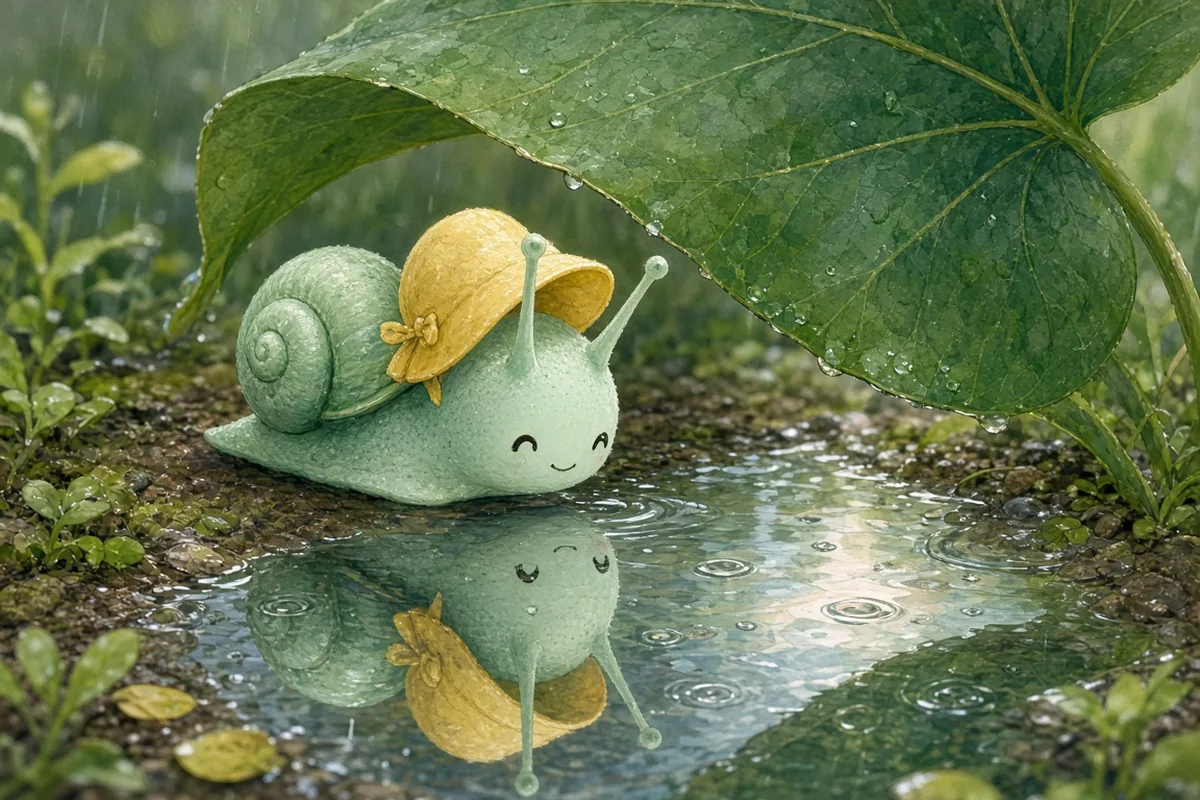
- Rain snail: “Illustrate a mint snail wearing a yellow bonnet beside a puddle under a leaf. Soft digital brushwork, reflected light, clear shell spiral, landscape 3:2, no text.”
- Moon baker: “Sketch a lavender alien in an oatmeal apron kneading dough in a moon cottage. Chalk pastel texture, pink shadows, both hands visible, landscape 3:2, no text.”
- Petal courier: “Paint a beetle with a sky blue satchel carrying a petal over a mossy log. Delicate watercolor, dappled light, six legs visible, landscape 3:2, no text.”
Fantasy character concepts

A fantasy role gives your character a reason to carry certain objects or dress a certain way. Build an OC drawing around that role. A cloak, unusual tool or small keepsake can hint at a larger story.
- Tide historian: “Paint an older woman in a sea green robe studying a shell in a tidal observatory. Layered gouache, reflected water light, full figure, vertical 3:4, no text.”
- Fog shepherd: “Illustrate a man in a maroon poncho guiding mist across a mountain saddle. Ink wash, pale morning light, full figure from behind, landscape 3:2, no text.”
- Glass gardener: “Draw an elf in a pink tunic tending transparent flowers inside a crystal greenhouse. Luminous watercolor, soft daylight, distinct ears, landscape 3:2, no text.”
- Echo collector: “Paint a traveler in a saffron scarf holding a shell near a canyon opening. Textured acrylic, afternoon light, full figure against rock, vertical 3:4, no text.”
- Winter messenger: “Illustrate a woman in a slate cloak delivering a blank envelope to a snowy shrine. Graphite and blue washes, soft daylight, reaching arm, landscape 3:2, no text.”
Anime character design prompts
Choose a few features you can reproduce when your character changes clothes or moves into another scene. Anime art works well as a design exercise when the hair shape, eye shape and favorite colors remain easy to recognize.
- Tea shop apprentice: “Draw an anime apprentice in a turquoise cardigan pouring tea at a teahouse counter. Clean cel shading, afternoon light, clear wrist and cup, landscape 3:2, no text.”
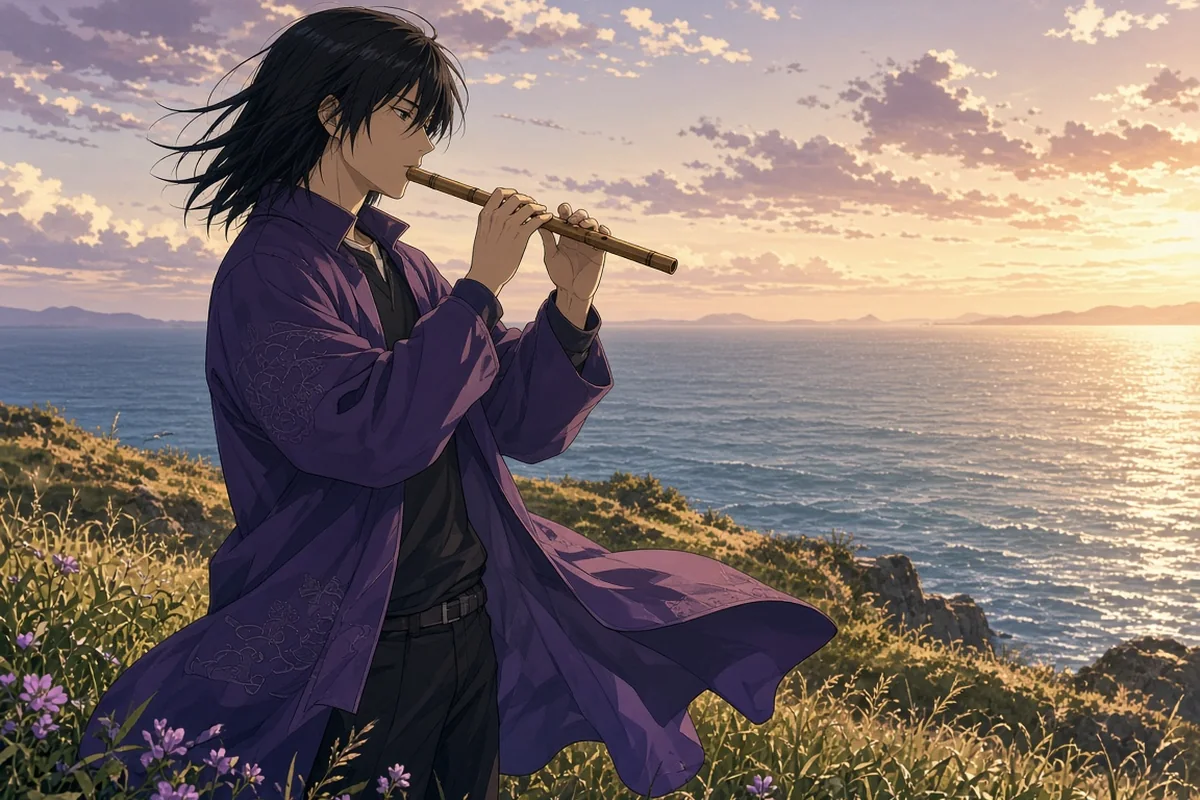
- Wind musician: “Illustrate an anime musician in a violet jacket playing a flute on a coastal bluff. Crisp ink contours, warm light, readable fingers, landscape 3:2, no text.”
- Night astronomer: “Draw an anime student in a pumpkin sweater using a telescope on an observatory terrace. Blue cel shading, lamp glow, relaxed side profile, landscape 3:2, no text.”
- Ceramic artist: “Paint an anime potter in a cranberry apron lifting a bowl inside a kiln room. Pencil contours, warm matte color, focused expression, landscape 3:2, no text.”
- Ribbon skater: “Illustrate an anime athlete in a cobalt jacket gliding across an ice rink. Dynamic clean lines, reflected light, bent knees, both skates visible, landscape 3:2, no text.”
Science fiction and nonhuman characters

Imagine how the character moves before inventing complex parts or glowing effects. A science fiction character benefits from a readable body shape and a practical design. Keep mechanical joints visible so you can redraw them later.
- Orbit mechanic: “Draw a bronze robot tightening a bolt beside a satellite work bay. Ink and marker shading, cool reflected light, visible mechanical joints, landscape 3:2, no text.”
- Coral explorer: “Paint an amphibious alien in a peach diving suit inspecting a mineral beneath an alien sea. Digital paint, turquoise light, round helmet, landscape 3:2, no text.”
- Dust cartographer: “Illustrate a traveler in an olive pressure suit kneeling beside a rock on a dusty planet. Colored pencil grain, low sunlight, transparent helmet, landscape 3:2, no text.”
- Signal dancer: “Draw a pearl android practicing a dance step in a circular training chamber. Simple vector shapes, soft rim light, separated arms and visible feet, landscape 3:2, no text.”
- Seed engineer: “Paint an insect-like engineer in a plum harness inspecting a floating seed inside an orbital nursery. Ink contours, green accents, four arms visible, landscape 3:2, no text.”
Poses, moods and everyday actions

Once you settle on a design, practice drawing the same personality through different movements. Use an existing OC drawing as your reference and adapt the descriptions below. Keep the face and body features fixed while changing the action.
- Quiet relief: “Draw a character in a beige raincoat sitting beneath a trail shelter after a storm. Graphite and pale watercolor, soft daylight, lowered shoulders, landscape 3:2, no text.”
- Sudden delight: “Illustrate a character in a lime pullover catching a feather in a sunny meadow. Loose colored pencils, soft shadows, raised eyebrows and reaching hand, landscape 3:2, no text.”
- Careful balance: “Sketch a character in a raspberry jumpsuit balancing on a branch in a wooded ravine. Charcoal lines, reflected light, extended arms and visible feet, landscape 3:2, no text.”
- Patient listener: “Draw a character in a mustard shirt leaning forward on a park seat. Soft pastels, warm daylight, relaxed jaw and loosely clasped hands, landscape 3:2, no text.”
- Proud finish: “Paint a character in a navy smock holding a carved wooden bird beside a sculpting stand. Textured gouache, mellow light, shy smile, landscape 3:2, no text.”
Fix common mistakes in AI character sketches
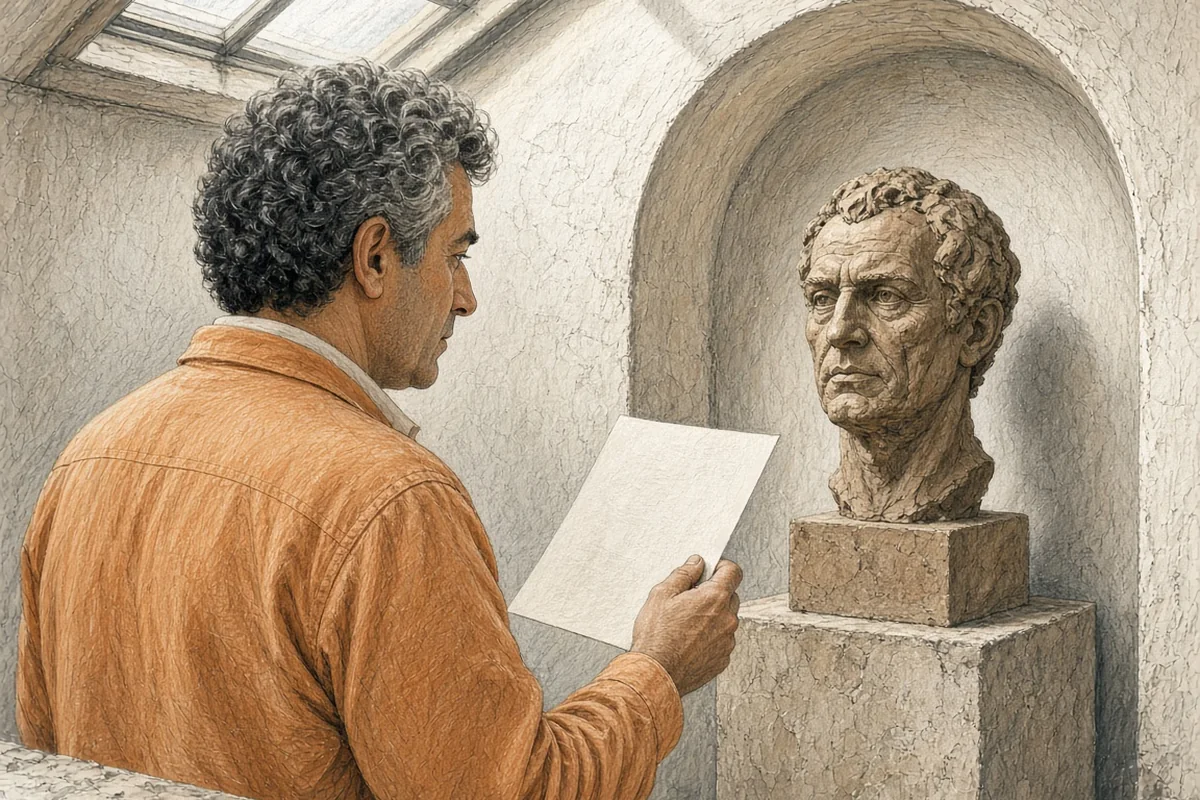
If your OC drawing changes the face between poses, request a targeted edit rather than a fresh design. Try “Keep the face and hair unchanged; move only the left arm.” If fingers overlap, ask for a relaxed hand with clearly separated digits.
OpenAI’s image prompting advice recommends specific revisions rather than broad changes. Compare the new image with your saved reference before adding more details. On paper, block out the head and shoulders first, then work down to the feet.
More original character art inspiration
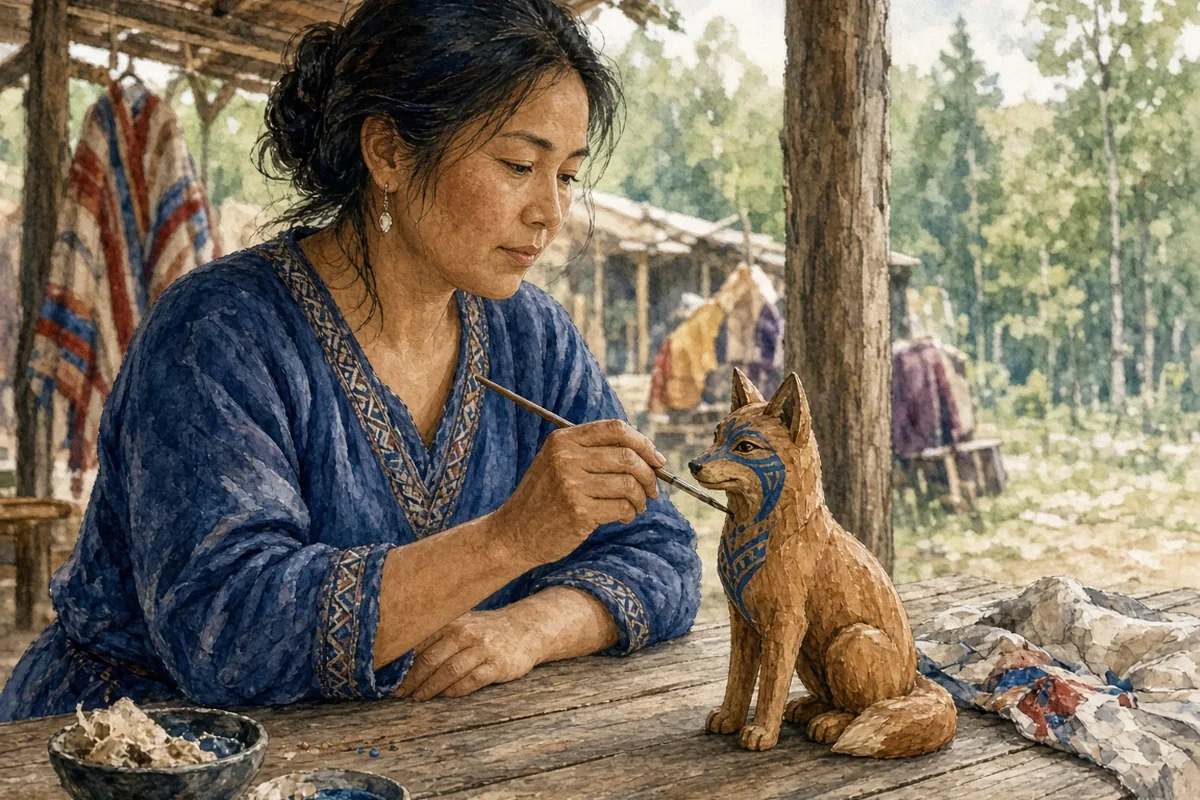
Browse drawing ideas for other art styles. Adapt the lighting in an anime cherry blossom scene or explore animal features with a royal pet painting. Try simplifying your OC drawing into bold shapes inspired by clipart prompts.
Questions about OC drawing
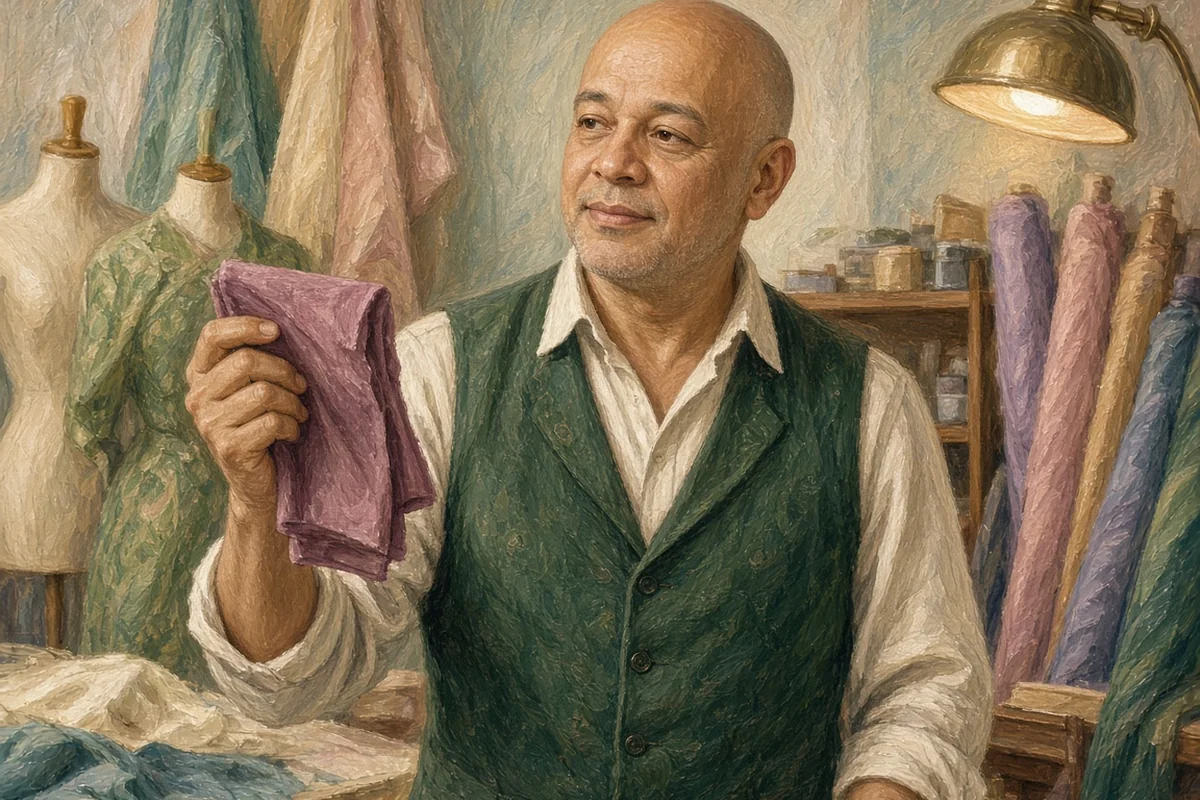
What does OC drawing mean?
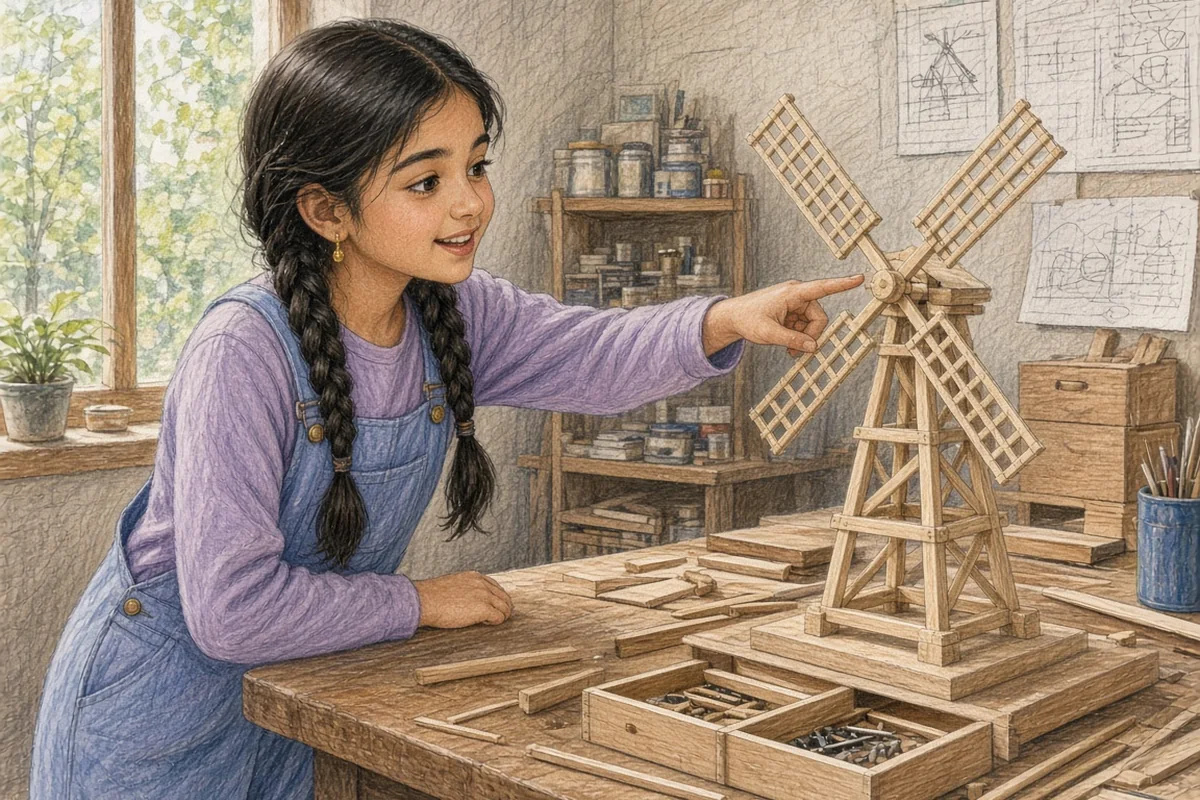
OC stands for original character. An OC drawing depicts a character you invented rather than one taken from an existing story. You can give it a name, appearance, personality and history.
Can I make OC drawings without drawing skills?
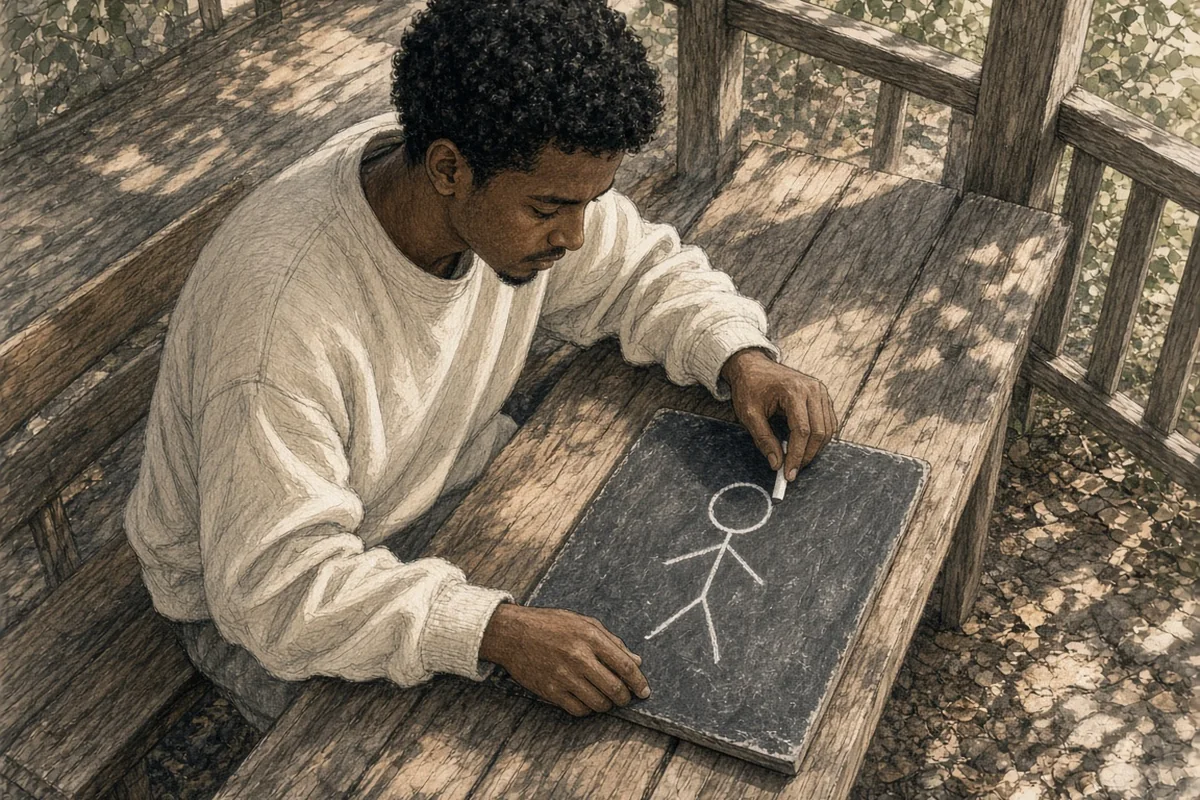
Yes. Start with a written description and generate a reference in Gemini or ChatGPT. Trace simple shapes in your own practice sketch or redraw the features you like.
How do I keep my OC drawing consistent?
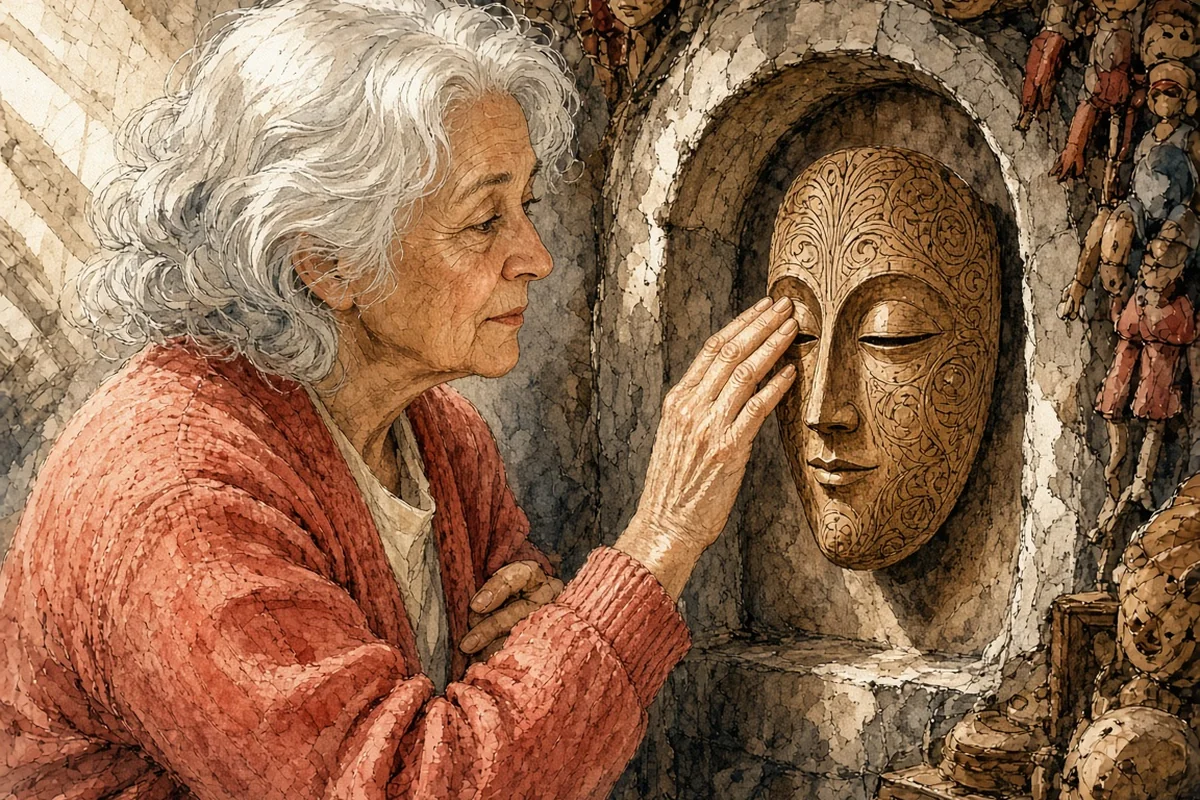
Save a clear reference of the face, outfit and body shape. Attach it to the next request and specify which details must stay unchanged. Check each new result against your first design.
How can art and OC design help me practice?
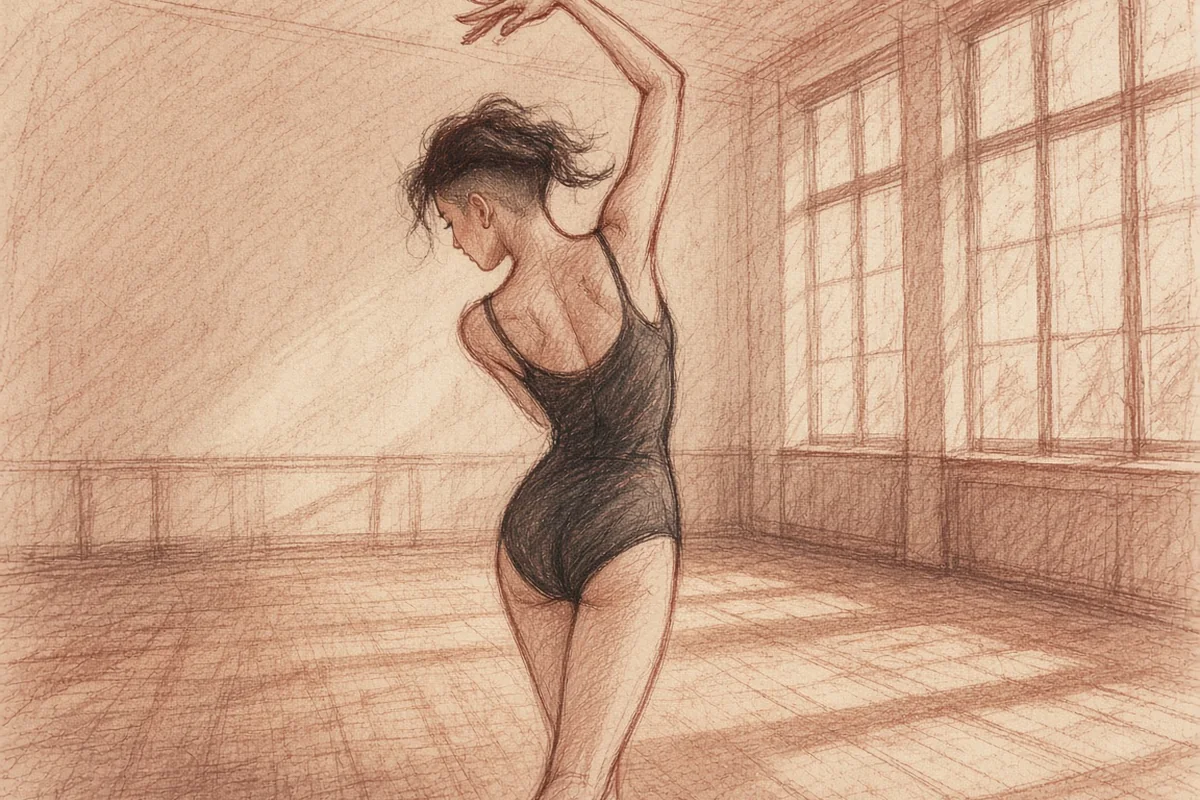
Choose a character and sketch one new action at a time. Your OC drawing practice can focus on a different skill each day. Try hands, expressions, clothing folds or balance.