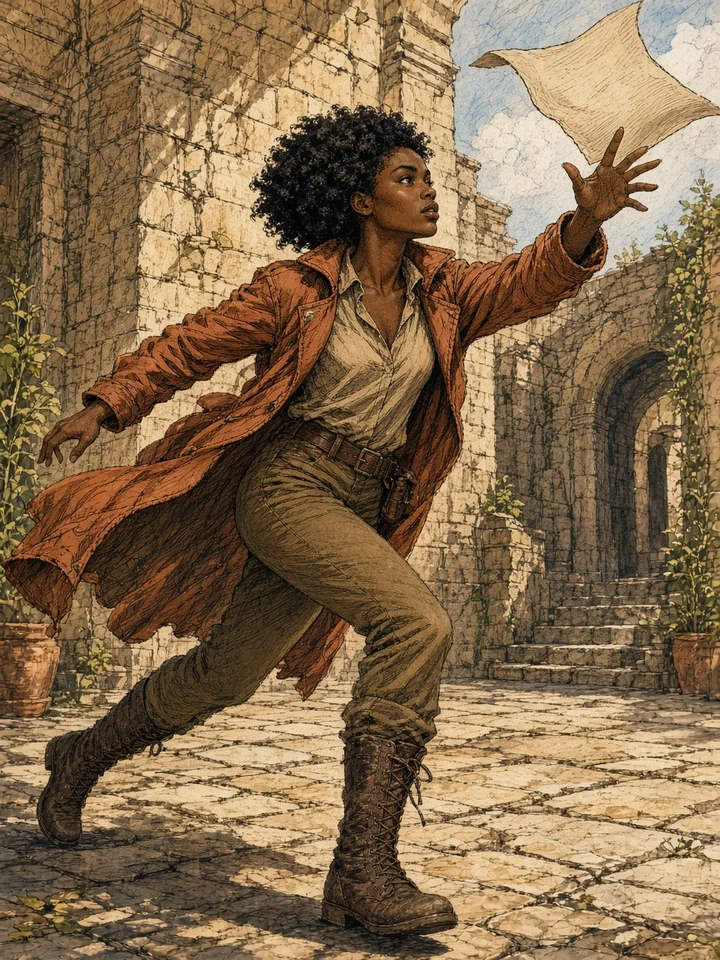
OC poses can show personality before your character speaks. A tilted shoulder, uneven stance, or quick reach gives a drawing its purpose. These prompts give characters readable hands and poses with purpose.
Start with the prompt in the box above. The 30 options below cover casual stances, emotions, action, seated figures, friends, and fantasy scenes. Each can become a sketch reference or a finished character illustration.
Table of Contents
How to use OC poses in Gemini and ChatGPT
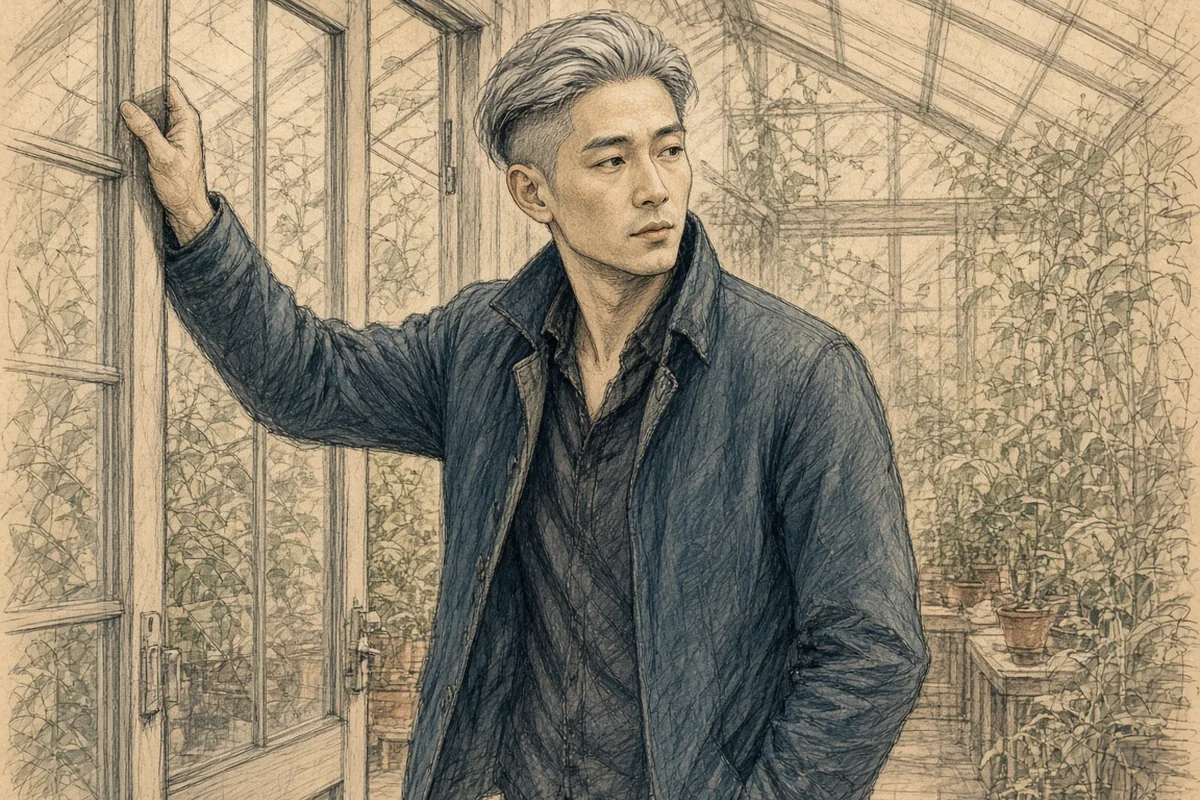
Copy one OC poses prompt into Gemini or ChatGPT. Replace the clothes, age, and setting with details from your character sheet. Request a clean full-body view first. Then change the angle, gesture, or art medium without changing the character.
The ChatGPT image guide explains image creation and edits. The Gemini image guide covers prompt-based art. If you need visual style ideas, browse our drawing category.
Relaxed standing OC poses
Even relaxed OC poses need one clear shift in body weight. Put the hips and shoulders at different angles. Keep the hands busy with a small action, not a random prop.
- Doorway pause: “Create a 28-year-old character in an olive jacket, pausing at an apartment doorway with one shoulder against the jamb, left heel raised, side light, clean full-body gesture sketch, landscape 3:2, no text.”
- Pocket shift: “Draw a teen-inventor with short copper hair, one hand in a coat pocket, weight on the right foot, thoughtful gaze, muted teal palette, loose charcoal lines, full body, vertical 3:4, no text.”
- Half-turn greeting: “Illustrate a woman in a linen jumpsuit turning from a garden walkway to wave, hips facing away and shoulders turned back, golden afternoon light, lively graphite sketch, landscape 3:2, no text.”
- Boot adjustment: “Sketch a sailor crouching slightly to tug one boot, knees facing different angles, cool gray morning light, simple ink contours, both hands visible, full figure, vertical 3:4, no text.”
- Quiet lookout: “Design a tall ranger resting a forearm on a stone parapet, weight on the back leg, wind moving a plain scarf, muted rust colors, eye-level pencil art, landscape 3:2, no text.”
Expressive character poses
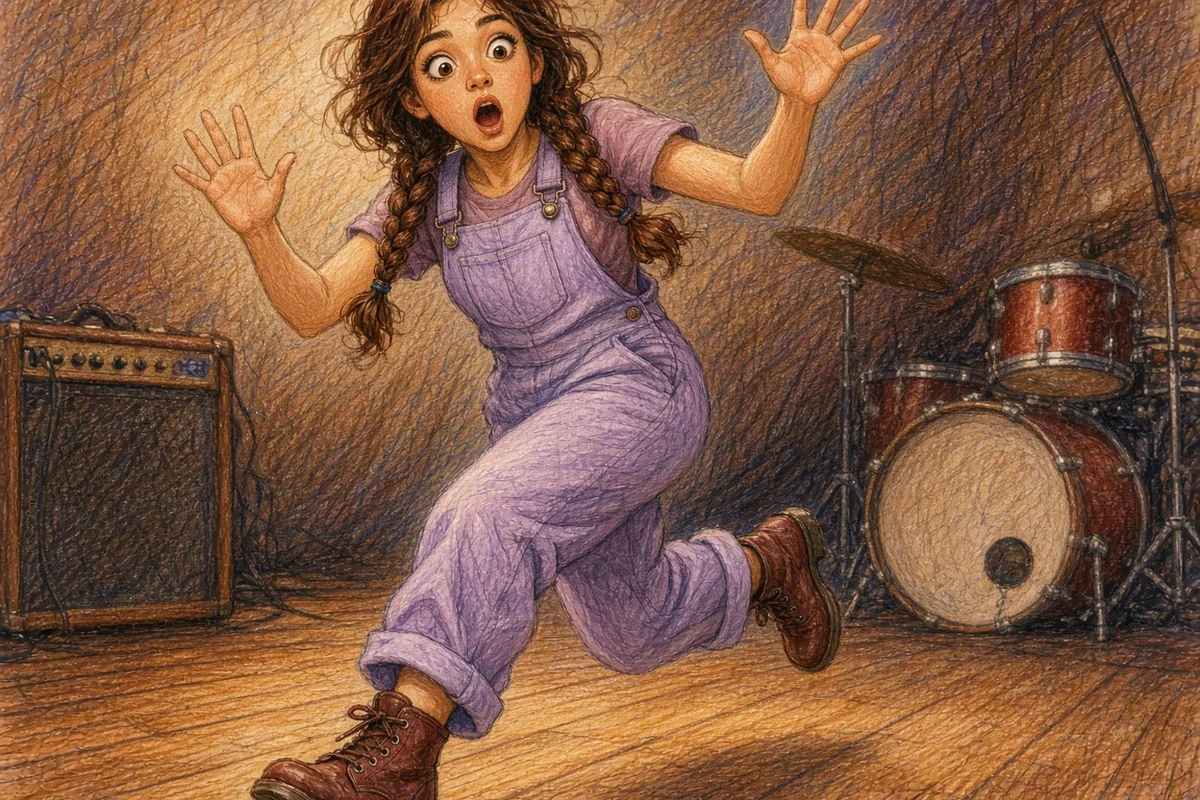
With expressive OC poses, emotion starts in the torso before it reaches the face. Change the space between elbows and ribs. A wide silhouette often reads faster than extra facial detail.
- Sudden delight: “Illustrate a baker springing onto their toes, hands open at shoulder height and eyes bright, cream apron, peach kitchen glow, expressive colored-pencil motion sketch, full body, vertical 3:4, no text.”
- Held-back anger: “Draw a mechanic standing with tight fists, lowered shoulders and one foot turned outward, dusk garage light, controlled ink linework, charcoal and copper palette, landscape 3:2, no text.”
- Nervous introduction: “Create a young scholar taking a cautious step forward with hands partly folded, head tilted and shoulders drawn inward, pale sage colors, pencil shading, vertical 3:4, no text.”
- Proud victory: “Show a athlete lifting both arms after a finish, chest high and weight shifting forward, warm backlight, deep crimson accents, simple dynamic comic sketch, full figure, landscape 3:2, no text.”
- Quiet disappointment: “Illustrate a older gardener lowering a watering can, shoulders sagging and feet planted apart, muted blue-green dusk, gentle watercolor figure sketch, believable grip, vertical 3:4, no text.”
Action and movement poses

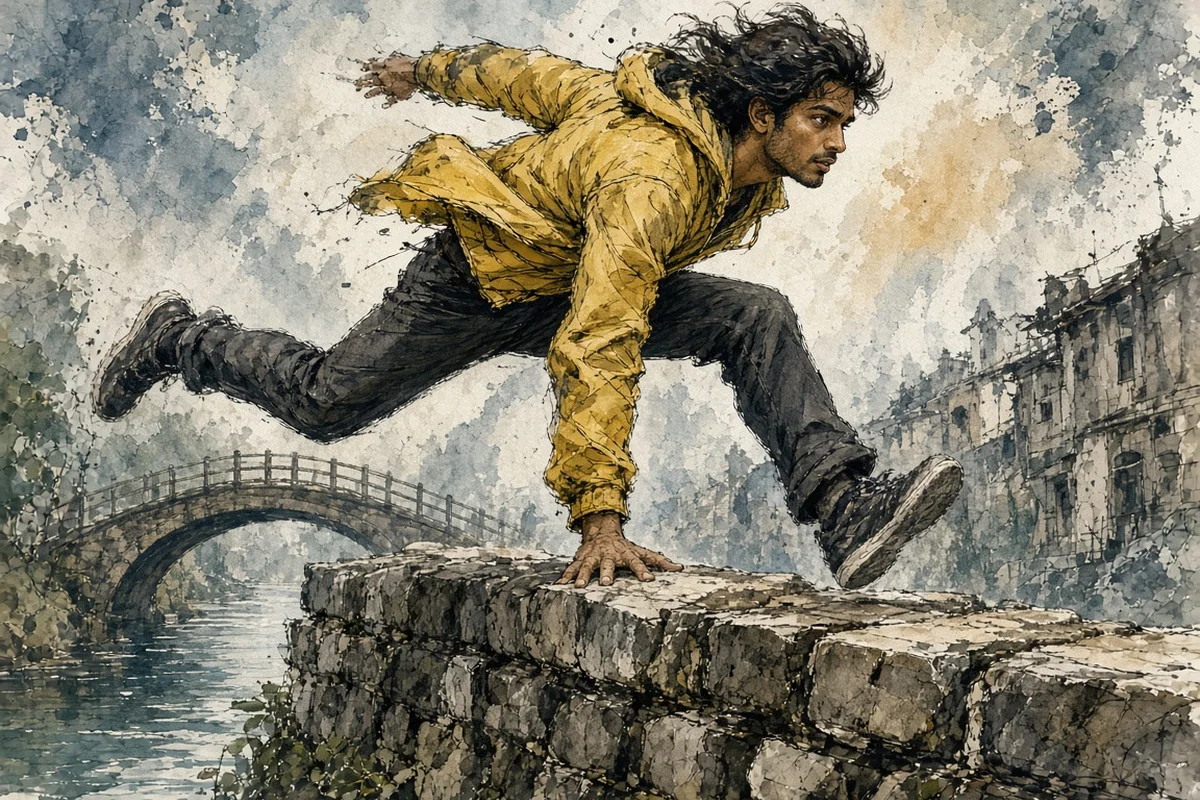
For moving OC poses, start with a line that shows where the character moves next. Make the front leg lead the eye. Show the whole body so the gesture stays easy to read.
- Corner sprint: “Draw a messenger turning sharply around a brick corner, outer arm swinging wide and back foot pushing off, bright cloudy light, cobalt accents, fast ink gesture, landscape 3:2, no text.”
- Safe landing: “Illustrate a acrobat landing from a low jump, knees bent and one hand balancing near the ground, pale ocher colors, side-view graphite construction, anatomy, landscape 3:2, no text.”
- Reach and catch: “Create a sailor leaning over a dock to catch a loose rope, hips anchored back and hand reaching forward, warm evening light, dynamic pen-and-wash art, vertical 3:4, no text.”
- Spin in motion: “Sketch a dancer midway through a turn, heel lifted and skirt following the motion, coral spotlight, energetic pastel streaks, full head and hands visible, vertical 3:4, no text.”
- Defensive pivot: “Draw a fantasy guard twisting away from a padded practice staff, lead knee bending and elbows protecting the torso, blue-gray training yard, crisp ink gesture, landscape 3:2, no text.”
Sitting and low-angle poses
Seated OC poses need clear joints and contact points. Show where the weight rests on the chair, step, or floor. Use a slight camera shift to reveal overlapping legs.
- Sideways bench: “Illustrate a poet sitting sideways on a plain park bench, knees angled apart and one arm across the backrest, cool spring shade, graphite art, landscape 3:2, no text.”
- Floor planning: “Draw a navigator seated cross-legged on a woven rug, torso bent toward blank paper shapes, warm window light, muted terracotta palette, colored-pencil illustration, vertical 3:4, no text.”
- Low stair rest: “Create a young musician on a broad stone stair, one knee up and the other foot lower, natural hand contact, dusk blue light, fine ink sketch, landscape 3:2, no text.”
- Perched sideways: “Sketch a gardener sitting on a low wall, toes barely touching grass and shoulders leaning forward, cloudy light, moss green palette, watercolor linework, vertical 3:4, no text.”
- Kneeling repair: “Illustrate a explorer kneeling to adjust a boot strap, one knee on moss and the other raised, fingers, ocher morning glow, detailed graphite art, landscape 3:2, no text.”
Duo and friendship poses

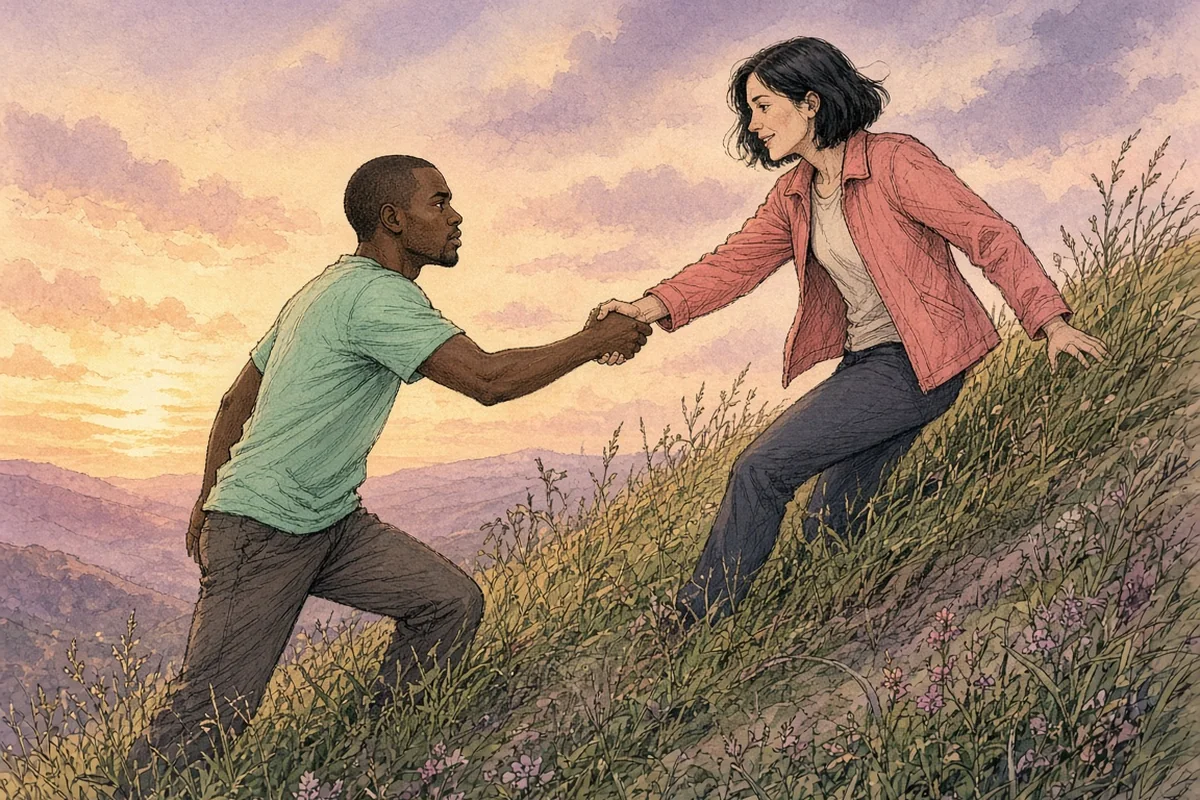
Two-character OC poses feel connected when their balance affects each other. Give each person a different action. Keep faces apart enough to read both expressions and hands.
- Shared umbrella: “Draw two friends rushing under one plain umbrella, one pulling the other closer, contrasting heights and separate feet, rainy daylight, watercolor character sketch, landscape 3:2, no text.”
- Friendly challenge: “Illustrate two grown siblings facing off in a playful arm-wrestle at a plain wooden table, shoulders tilted in opposite directions, amber light, expressive ink art, landscape 3:2, no text.”
- Helping hand: “Create two hikers, one braced on a rocky slope while offering a hand to the other below, balanced feet and grips, morning mist, graphite illustration, vertical 3:4, no text.”
- Back-to-back: “Sketch two detectives standing back-to-back under a streetlight, one alert and one relaxed, dark teal palette, strong separate silhouettes, clean comic ink drawing, vertical 3:4, no text.”
- Shared joke: “Illustrate two roommates laughing on a sunlit porch, one leaning forward and the other covering a smile, natural hand shapes, warm pencil colors, landscape 3:2, no text.”
Fantasy and dramatic OC poses
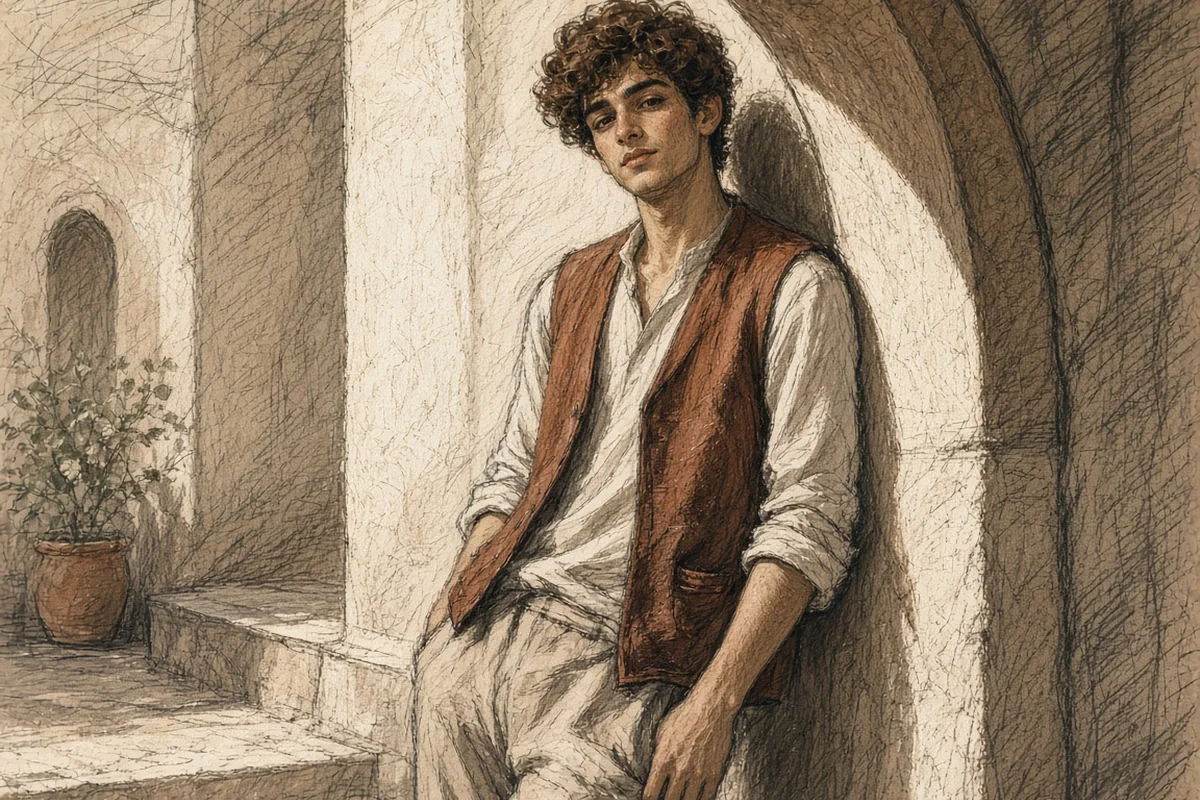
Fantasy OC poses still need gravity and a clear center of weight. Let costume folds follow the body. Keep magic effects behind the hands rather than covering them.
- Spell cast: “Draw a mage stepping forward through a ruined arch, palm extended and rear leg carrying weight, violet magical glow behind fingers, crisp fantasy ink, vertical 3:4, no text.”
- Wing balance: “Illustrate a winged guardian landing on a stone ledge, wings open but feet taking the weight, cool dawn sky, pale gold accents, detailed pencil concept art, landscape 3:2, no text.”
- Moonlit oath: “Create a knight resting one fist over the heart, head slightly bowed and knees slightly bent, silver moonlight on dark armor, expressive charcoal shading, vertical 3:4, no text.”
- Forest whisper: “Sketch a forest spirit crouching to listen beside a tree root, one hand touching earth, mossy light and rust leaves, delicate watercolor illustration, landscape 3:2, no text.”
- Storm command: “Illustrate a sea captain bracing into wind on a ship deck, feet apart and arm raised toward the horizon, slate sky, dynamic ink wash, full figure, landscape 3:2, no text.”
Fix common mistakes in AI character pose images
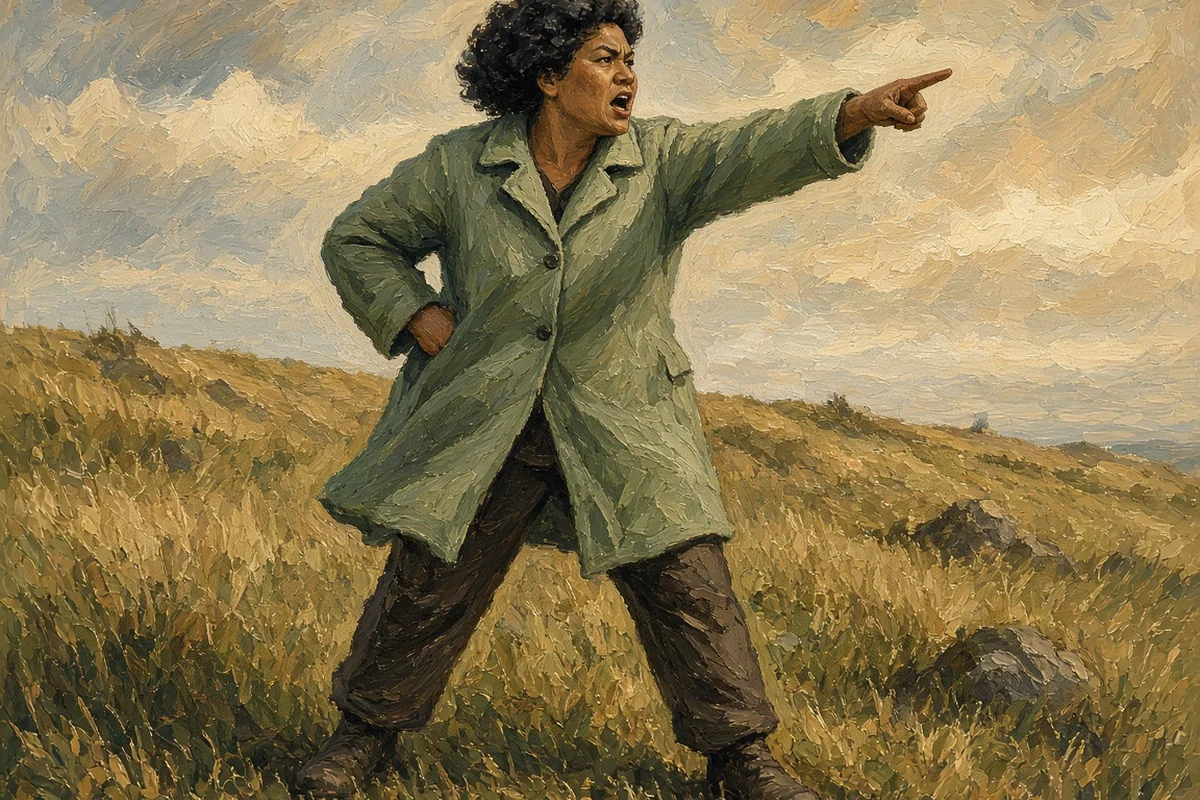
In OC poses, AI art can hide an extra finger or twist a joint behind clothing. Ask for one fix at a time. Try “Show all five fingers” or “Keep the same face.” Redraw unclear anatomy before using the image as a final reference.
The OpenAI image input guide explains how to supply reference images. Adobe’s dynamic pose guide describes gesture lines and weight. Good OC poses should still make sense with the costume hidden.
More original character drawing inspiration
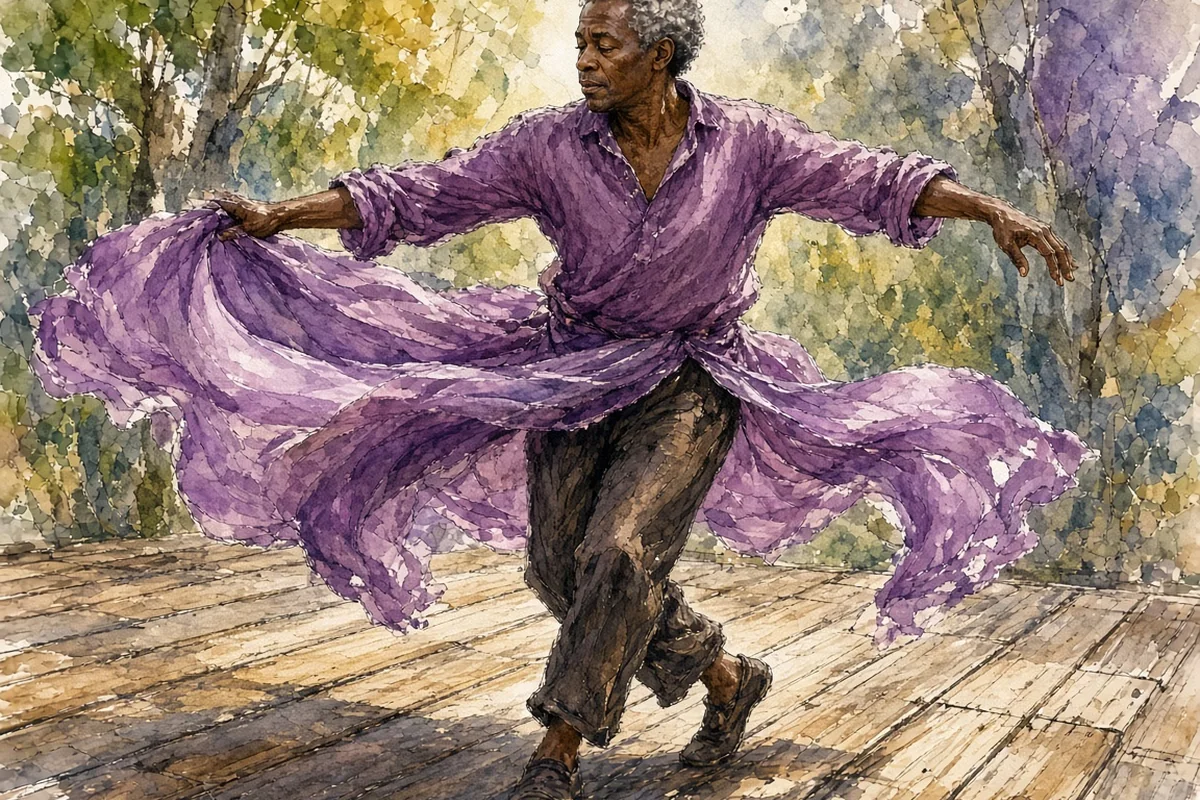
Try drawing ideas for more sketch themes, or explore Thanksgiving clipart for simple illustrative shapes. Our anime cherry blossom prompt offers a vivid color example. Use the character voice rewriter to sharpen personality. A Christmas profile picture guide can also spark new avatar compositions.
Questions about OC poses
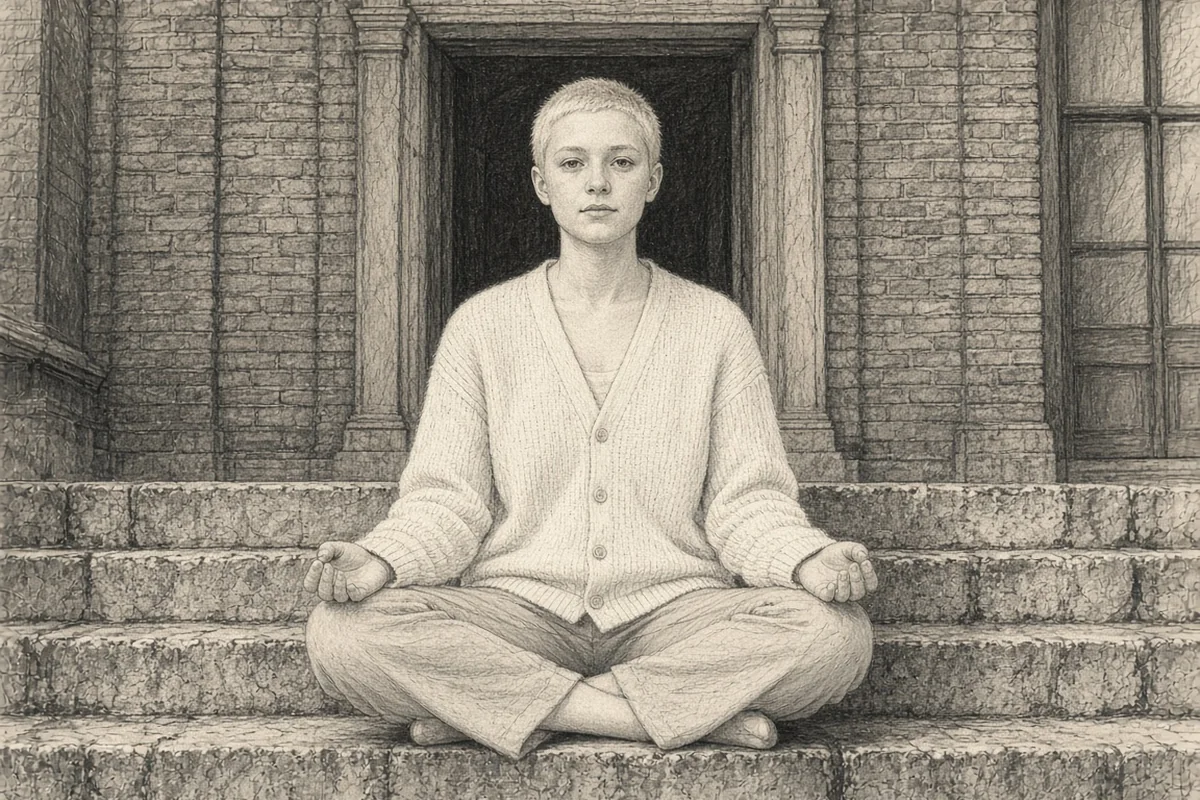
Can I use AI-generated poses to draw my own OC?

Yes. Treat OC poses as starting references and redraw the body in your own style. Check the hands, balance, and costume before finishing.
How do I make an OC pose look less stiff?
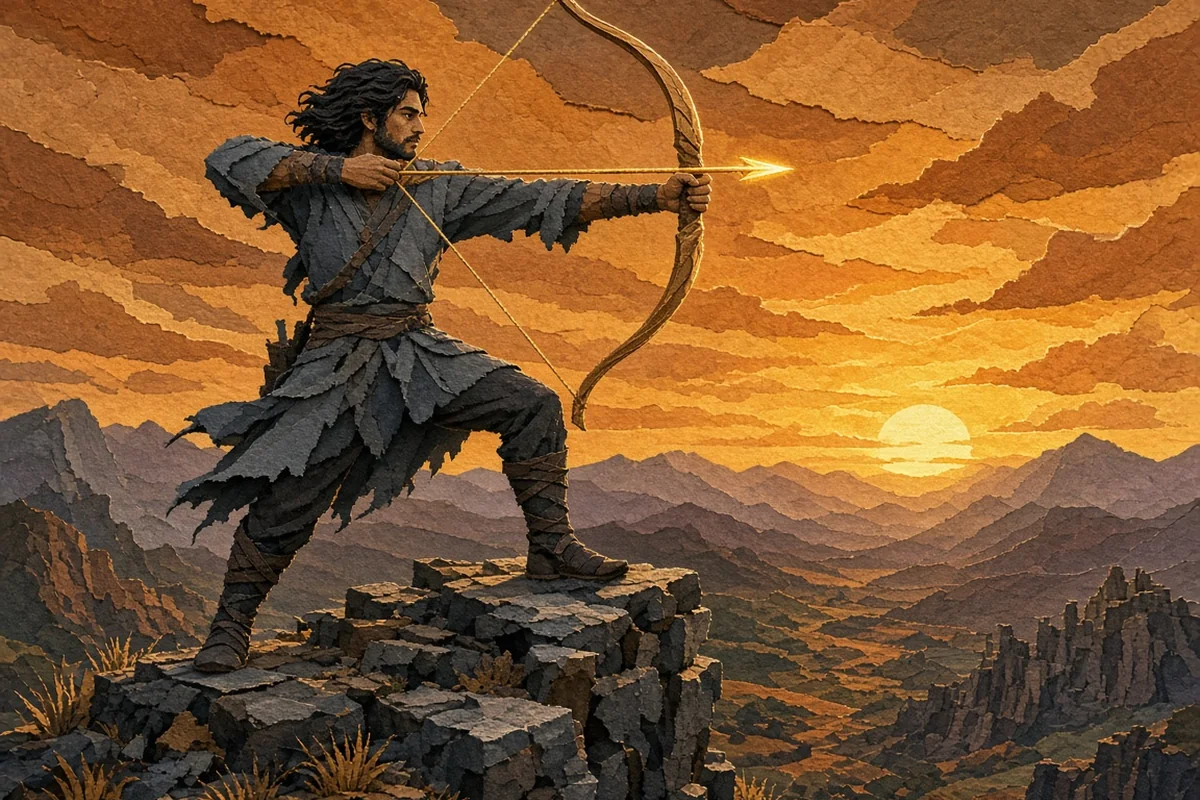
Shift weight to one leg, tilt the shoulders, and give each hand a clear task. Sketch the action line before adding clothing.
What poses should I try for a shy character?

Try a half-turn, a small backward step, or a seated pose with relaxed shoulders. A modest gesture can show personality without hiding the face.
Can Gemini or ChatGPT keep the same character in new poses?

You can upload a character drawing and request a new pose. Compare the result with your reference, since hair, outfits, and small details may change.