Writing prompts for kids work best when they leave room for a child’s own voice. A single odd detail can start a story, even when the page feels too empty. These ideas help parents and teachers invite writing without supplying every answer.
Start with the prompt in the box above. The 30 options below cover funny tales, magic, animals, journals, opinions, and poems. Each gives children a clear place to begin while leaving the words, creative choices, and final ending completely to them. Pick one that fits their mood today.
Table of Contents
How to use writing prompts for kids in Gemini and ChatGPT

An adult can paste a prompt into ChatGPT or Gemini, then name the child’s grade level and favorite topics. Request a short starter, never a completed assignment. Read the idea aloud together and let the child change any character, setting, or rule before writing begins.
Teachers choosing writing prompts for kids can start with clear grade levels. OpenAI offers guidance for educators. Google explains supervised Gemini access. Use writing prompts for kids with adult oversight, and keep the child’s work private.
Funny story starters

A silly rule makes a strong first scene. Playful writing prompts for kids give a young writer a clear problem to solve without picking the ending. Let the child choose the main character, talk through one funny twist, and then write or dictate the first few lines.
- Backwards birthday: “Give a funny opening where everyone at a birthday party must speak backward. Offer two guests, one problem, and a first line. Do not finish the story.”
- Invisible bicycle: “Create a story starter about a bicycle nobody can see, except its bell. Suggest a rule, then leave the ending open.”
- Tiny principal: “Suggest a school story where the principal wakes up smaller than a pencil. Offer two settings and an emotional question.”
- Soup detective: “Invent a light mystery about missing soup at a family picnic. Offer three clues and two suspects; let the child decide.”
- Upside-down shop: “Plan a shop where every object works upside down. Offer a mishap, three items, and an open choice.”
Magical adventures

Fantasy can start with one clear rule. Imaginative writing prompts for kids keep magic manageable by pairing each power with a simple limit. Invite children to describe what changes in the world and what stays normal. Then ask how their character uses that power to solve a real problem.
- Pocket season: “Suggest a tale about a pocket that holds one tiny season. Ask for a season, a sound, and a problem.”
- Cloud librarian: “Create a fantasy setup about a librarian who lends out clouds instead of books. Offer a visitor, a rule, and a three-scene challenge.”
- Moon garden: “Outline a story about seeds that grow only under moonlight. Give a goal and two setbacks; request one sensory detail.”
- Lost shadow: “Offer a story starter where a child finds a shadow with no owner. Give three clues; hide the owner’s identity.”
- Door of colors: “Suggest an adventure about a doorway that opens only when someone names a feeling. Offer three feelings; let the child choose a problem.”
Animals with big personalities

Animal stories work best when each creature wants something clear. Clever writing prompts for kids add a distinct personality twist and a small everyday obstacle. Encourage a child to invent the animal’s own voice, habits, and favorite hiding spot instead of copying a famous movie character.
- Shy peacock: “Plan a tale about a peacock who hates being the center of attention. Offer a party, a friend, and a kind solution.”
- Otter builder: “Imagine a river otter who builds an unusual bridge. List three materials and two disagreeing neighbors; leave the fix open.”
- Serious kitten: “Create a setup about a kitten who believes every game has strict rules. Add a picnic, a friend, and a surprising change.”
- Fox musician: “Imagine a fox whose instrument makes plants dance. Add a rehearsal mistake and three reactions.”
- Turtle traveler: “Create an adventure starring a turtle who wants to visit the highest hill. Offer two helpers and a weather challenge.”
Real-life journal ideas

Personal writing should always feel safe and optional. Good writing prompts for kids invite small happy memories without pressure. Gentle writing prompts for kids focus on favorite places, weekend routines, funny moments, and everyday choices. Avoid asking a child to reveal private details or describe a painful event.
- Small victory: “Ask a child to recall something small they learned recently. Ask what helped and what changed.”
- Favorite sound: “Ask a child to describe a pleasant sound from an ordinary day. Ask where it happens and suggest vivid verbs.”
- Kind surprise: “Suggest a journal activity about a kind act the child saw or imagined. Ask about actions and feelings; allow fiction.”
- Weekend museum: “Ask a writer to turn an ordinary weekend moment into a tiny museum display. Suggest one object and two sensory clues.”
- Perfect recess: “Plan an ideal recess in three parts. Ask for a game and one fair rule.”
Opinion and persuasive writing

A simple opinion becomes much stronger when backed by a clear reason and a concrete example. Thoughtful writing prompts for kids offer friendly everyday topics without suggesting one correct answer. Let the child pick a side, explain why it matters, and practice listening calmly to another point of view.
- Longer library hour: “Ask a student to argue whether a school library should stay open longer. Offer a claim, an objection, and a closing frame.”
- Best classroom pet: “Compare two imaginary classroom pets. Request reasons and one care concern; do not decide.”
- Playground redesign: “Ask for one change to a playground. Ask who benefits and who might disagree.”
- Rainy day vote: “Plan a paragraph about the best rainy-day activity. Offer three choices, a reason, and an objection.”
- Choose a mascot: “Set up a mascot debate with three original animals. Ask for reasons and a kind reply.”
Poems, comics, and mini books
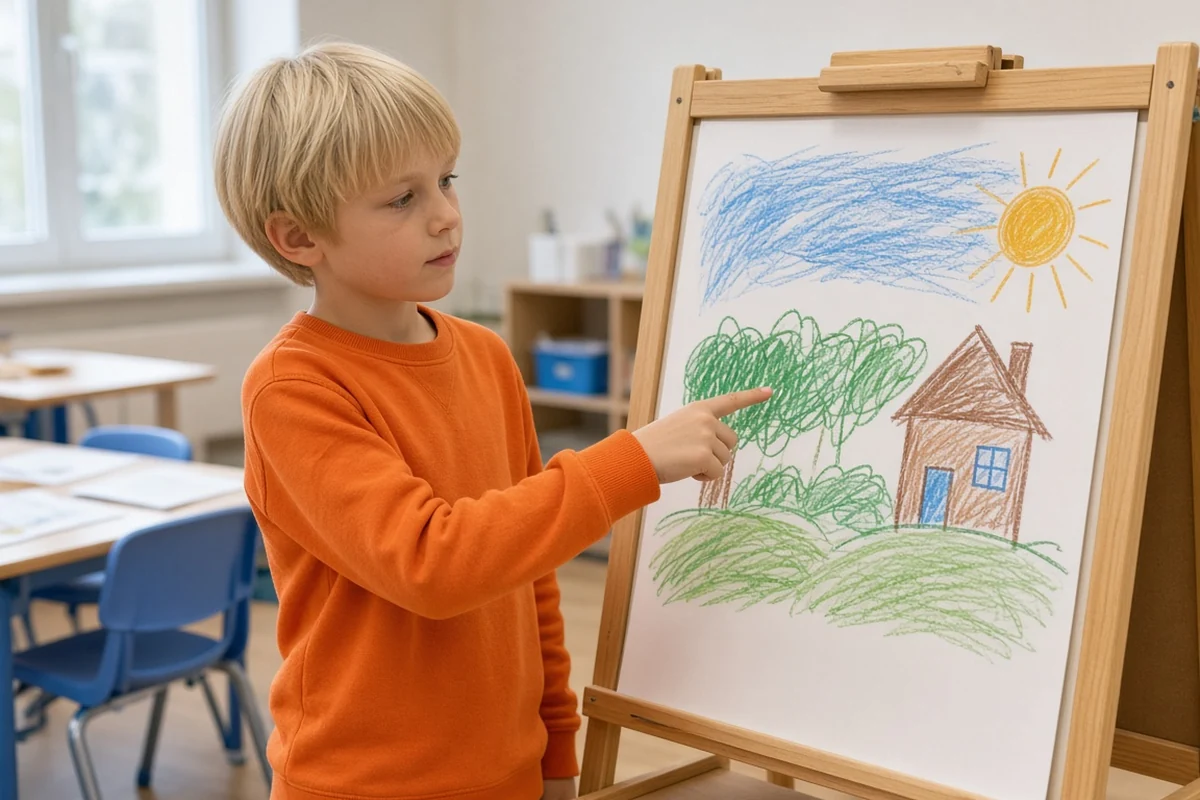
Short creative forms make writing prompts for kids easier to try without facing a long blank page. Quick writing prompts for kids use repeat sounds, comic panels, and short page turns. Children can sketch the main scene first, then add the exact words and dialogue that they actually chose.
- Sound poem: “Suggest a four-line poem about morning sounds. Offer a repeated phrase; let the child pick sounds.”
- Four-panel surprise: “Outline a four-panel comic where an ordinary lunchbox surprises its owner. Ask for one line per panel.”
- Color diary: “Suggest six free-verse lines using three colors from a familiar place. Connect each color with a feeling.”
- Tiny field guide: “Make a four-page field guide to a made-up garden creature. Use habitat, food, behavior, and surprise as headings.”
- Postcard from tomorrow: “Suggest a postcard sent from one day in the future. Include one odd event and an open question.”
Fix common mistakes with children’s writing activities

When an idea feels too hard or too broad, ask the tool for a shorter starter or a simpler two-way choice. Try “Give me two options” or “Ask one question only.” Every starter should open a door for the child. Never let the tool write the finished story.
Avoid sharing a child’s name, school, or private experiences with a tool. OpenAI says adults must handle ChatGPT interactions for under-13 educational use. Scholastic also describes writing activities that practice different genres.
More creative writing inspiration

For a longer classroom or weekend project, try our short story ideas or character voice exercises. The full writing prompts category offers even more daily activities. Teachers can also adapt a structured lesson plan or use Socratic tutoring for gentle follow-up questions.
Offline writing prompts for kids also work wonderfully without any screen at all. Print a few favorites, let a child pick one at the kitchen table, draw the opening moment, or tell the story aloud. The adult can listen closely and write down only what the child actually says.
Questions about writing prompts for kids
What age should children start using story prompts?

Young children can tell a story aloud or draw one scene before they write. Older kids can add a problem, a choice, and an ending.
Can AI write a child’s school story for them?

Use AI to suggest a starting point or ask questions, not to complete the assignment. The child should choose the details and write the final work.
How do you help a child who says they have no ideas?

Offer two characters and two places, then let the child choose a pair. Ask what the character wants before adding a problem.
Is ChatGPT suitable for children under 13?

OpenAI says an adult must conduct ChatGPT interactions for children under 13 in educational settings. Parents should also check each tool’s current age and supervision rules.