A month of drawing challenges gives you something specific to sketch when a blank page feels too big. You can work through the list with a pencil, use colored markers or create AI references before starting. Each exercise targets a different subject or technique.
Start with the prompt in the box above. The 30 options below cover simple shapes, everyday objects, nature, portraits, drawing methods and imaginative scenes. Try one each day, or choose tasks that suit your skill level.
Table of Contents
How to use drawing challenges in Gemini and ChatGPT

Copy a prompt into your chosen AI tool and request a simple reference image. Change the medium to match your supplies, or ask for fewer details if the subject feels hard. Use a reference photo only with permission. Keep the reference nearby, but choose your own lines and shadows.
Read the ChatGPT image guide and Gemini image help for instructions on creating and editing pictures. Our AI prompt generator can help you adapt drawing challenges to a theme or a new subject.
Easy drawing challenges for beginners
Begin with simple shapes that fit comfortably on a small page. Your goal is to complete a recognizable shape without spending the whole session erasing.
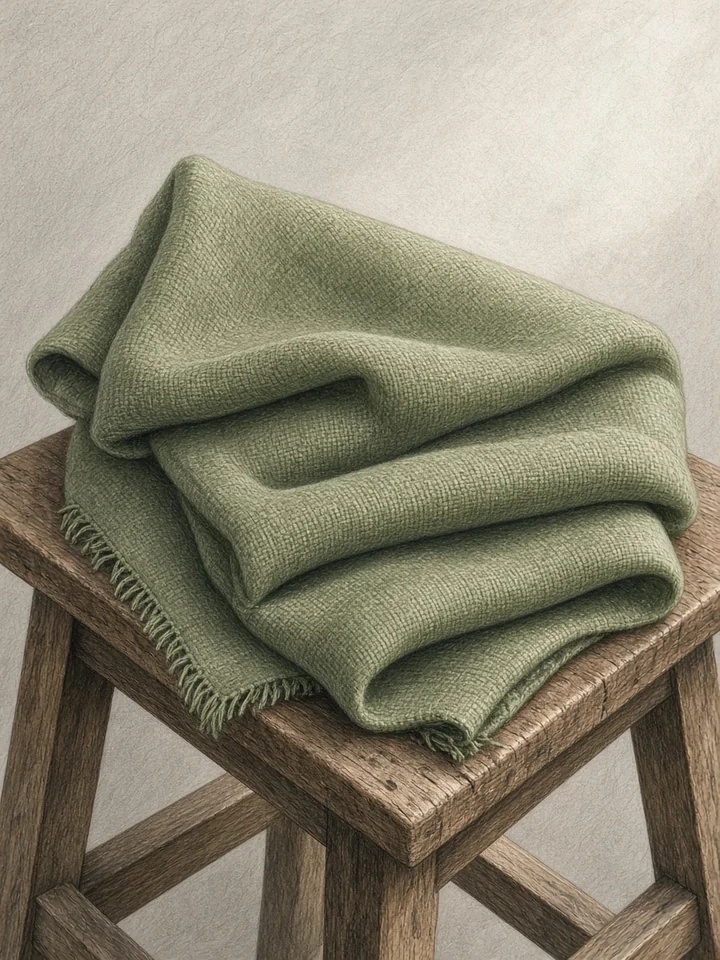
- Folded scarf: “Create a graphite drawing of a folded scarf on a plain wooden stool, with three large folds and a soft shadow beneath. Use light outlines and gentle shading, landscape 3:2, no text.”
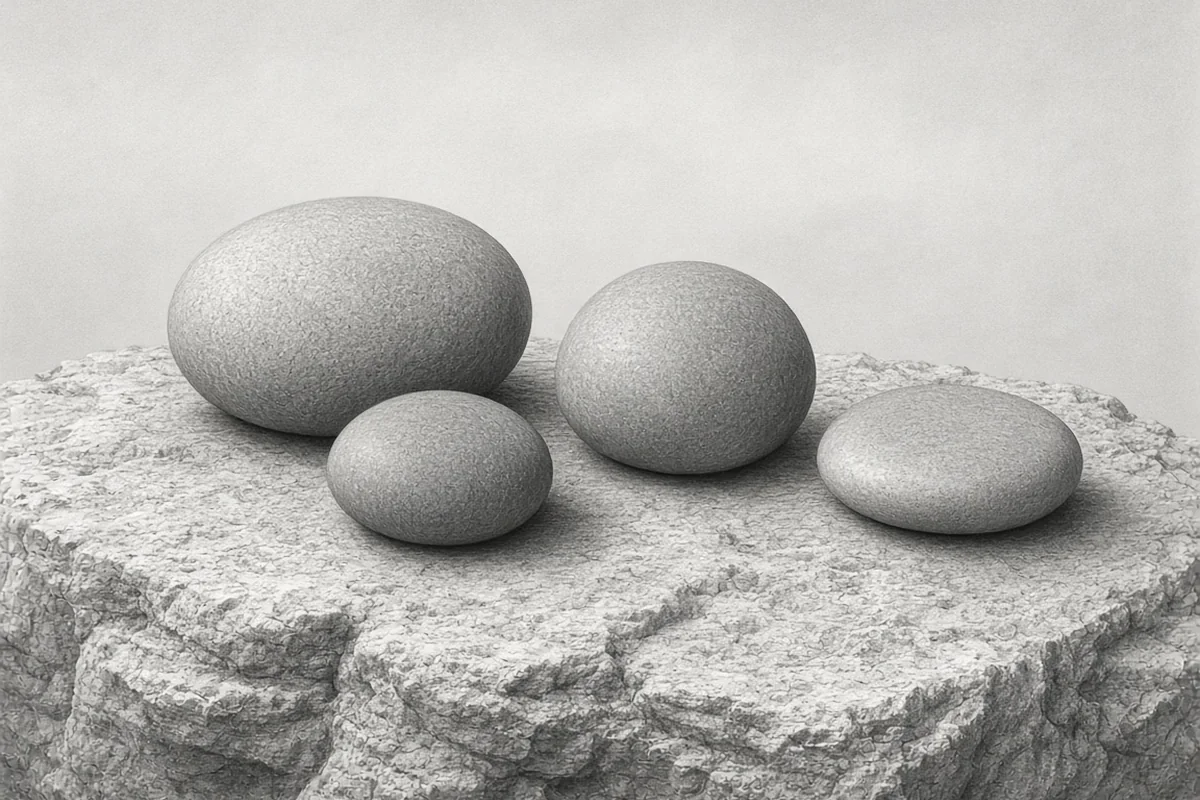
- Stacked pebbles: “Draw four smooth pebbles balanced on each other, using rounded shapes and different gray values. Keep the background empty and the edges distinct, vertical 3:4, no text.”
- Open umbrella: “Make a colored pencil sketch of an open mustard umbrella resting upside down on a clean tile floor. Show the curved ribs and simple cast shadow, landscape 3:2, no text.”
- Paper crane: “Illustrate a single folded paper crane in pale blue, with angular edges and clear triangular planes. Use simple ink outlines and one soft shadow, vertical 3:4, no text.”
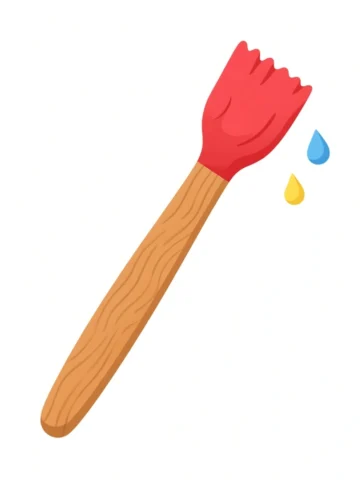
- Wooden spoon: “Sketch a wooden spoon resting diagonally on a plain cloth, with a clear oval bowl and narrow handle. Add sparse graphite grain marks, landscape 3:2, no text.”
Everyday object sketch ideas
Small objects offer plenty of practice without a complicated scene. Choose one item from each prompt and set it near a steady light source. Everyday sketches reveal overlooked shapes.
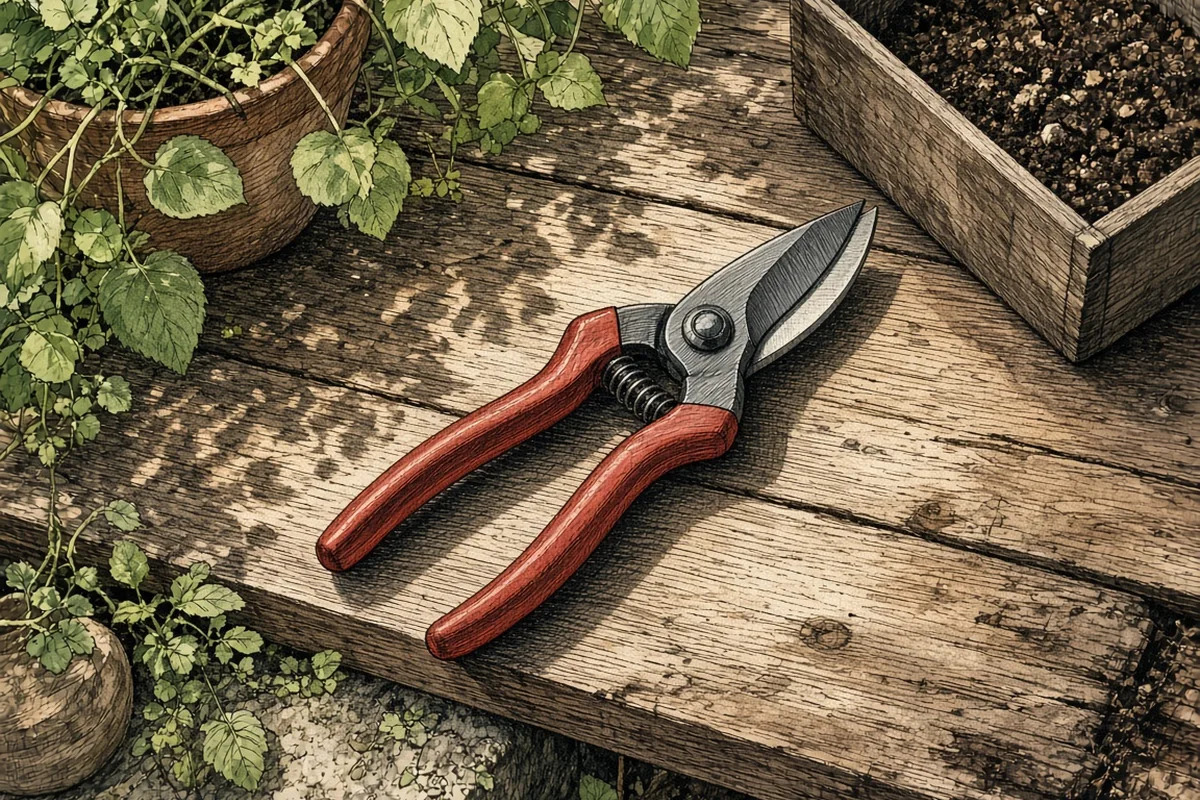
- Garden shears: “Draw closed garden shears with curved red handles on a bare potting ledge. Use ink hatching to suggest metal and leave the surrounding space clear, landscape 3:2, no text.”
- Unmarked glass bottle: “Render a plain green glass bottle on a stone counter in watercolor. Show its curved shoulder, transparent edges and a pale reflection, vertical 3:4, no text.”
- Woven basket: “Draw an empty wicker basket beside a plain wall using sepia pencil. Simplify the weave into broad repeating curves and show the oval opening, landscape 3:2, no text.”
- Desk fan: “Create an ink drawing of a small unplugged desk fan with a circular guard and sturdy base. Use clean curves and minimal crosshatching, vertical 3:4, no text.”
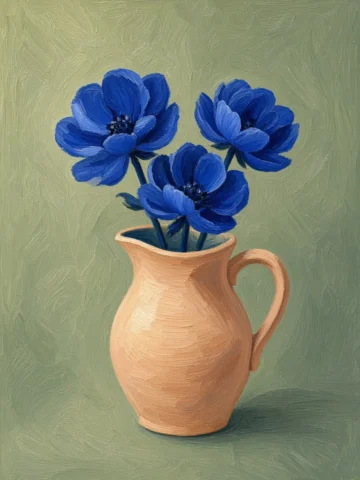
- Ceramic pitcher: “Sketch a cream ceramic pitcher with a curved handle and short spout under soft side light. Use charcoal to describe its round form, vertical 3:4, no text.”
Nature and animal art challenges
Work from the largest shape toward the smallest detail when sketching plants or animals. Nature drawing challenges are a good place to practice texture. Suggest fur, feathers or bark with a few marks rather than filling every surface.
- Fern curl: “Make a botanical colored pencil drawing of a young fern with one curled frond beside mossy roots. Use restrained green tones and a simple ground plane, vertical 3:4, no text.”
- Resting fox: “Draw a red fox lying on a bed of dry pine needles, with ears raised and tail curled. Use soft pastel strokes and subdued woodland light, landscape 3:2, no text.”
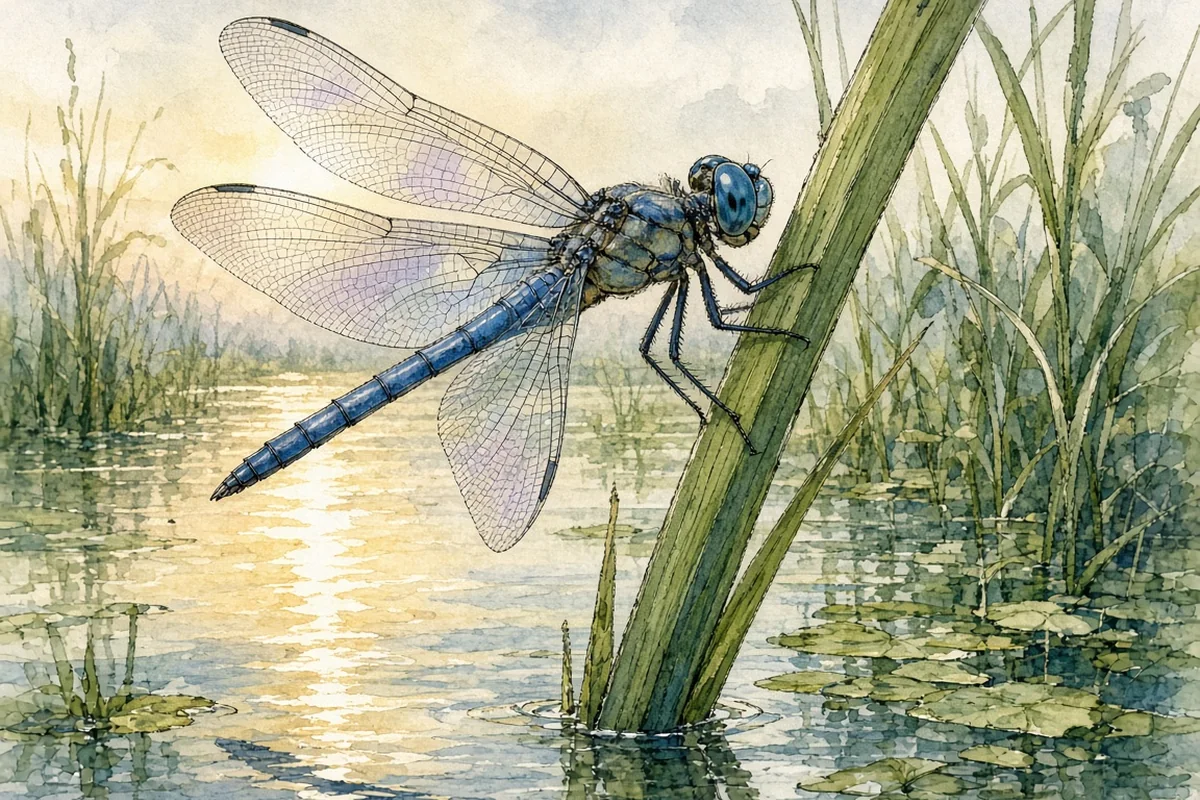
- Dragonfly wing: “Illustrate a blue dragonfly perched on a reed above still water. Use fine ink lines for the four translucent wings and a pale wash, landscape 3:2, no text.”
- Wild mushroom: “Paint a cluster of three chestnut mushrooms growing at the base of a fallen log. Use loose watercolor washes and clear overlapping caps, landscape 3:2, no text.”
- Mountain goat: “Sketch a mountain goat standing on a rocky slope with its head turned slightly. Use graphite for the strong leg shapes and rough stone texture, landscape 3:2, no text.”
Portrait and figure sketch practice
Start a portrait with the tilt of the head before adding eyes or hair. Figure drawing challenges work well with loose marks and simple clothes. Focus on the weight of each pose instead of making every feature perfect.
- Side profile: “Draw a middle-aged woman with short dark curls in a plain olive blouse, viewed in profile against a light wall. Use charcoal and soft edges, vertical 3:4, no text.”
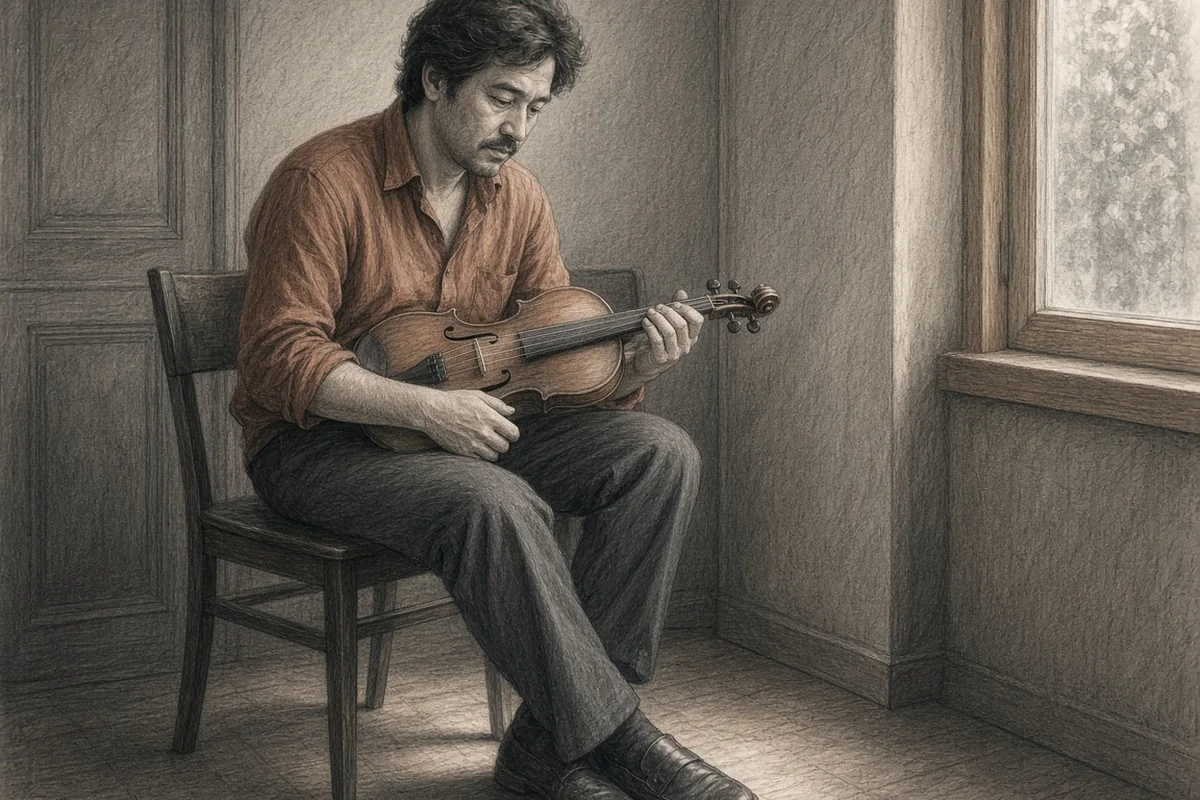
- Seated musician: “Sketch an adult man in a rust shirt seated on a low rehearsal stool holding a violin at rest. Show his full figure and relaxed grip in graphite, landscape 3:2, no text.”
- Running pose: “Illustrate a young adult runner in a plain cobalt tracksuit moving along a gravel track. Use flowing ink strokes and show the full body in motion, landscape 3:2, no text.”
- Laughing portrait: “Draw an older woman with a silver crop and a plum cardigan laughing softly in an empty sunlit room. Use sanguine pencil and natural facial proportions, vertical 3:4, no text.”
- Reaching gesture: “Make a loose charcoal study of an adult dancer in a sand-colored practice outfit reaching one arm upward. Keep both feet visible and balance believable, vertical 3:4, no text.”
Drawing techniques to try

Change the rules of your next sketch instead of buying more art supplies. Technique-based drawing challenges can shift your attention from the subject to the marks you make. Try each method with the same basic pencil kit.
- Single line kettle: “Draw a plain metal kettle using one continuous ink line, including its handle and spout. Avoid filled shadows and keep the entire shape visible, landscape 3:2, no text.”
- Three value doorway: “Create a charcoal sketch of an open arched doorway using only white, mid gray and deep black. Group the shadows into large clear shapes, vertical 3:4, no text.”
- Crosshatched shell: “Draw a spiral shell with fine black ink and crossing lines that follow its curves. Use tighter marks in the shaded areas, landscape 3:2, no text.”
- Limited palette hills: “Paint rolling hills beneath a cloudy sky using only ochre, muted blue and the white of the paper. Use broad watercolor washes and simple distant shapes, landscape 3:2, no text.”
- Negative space chair: “Draw a simple bentwood chair by shading the empty spaces around and between its legs. Use graphite and a plain background, vertical 3:4, no text.”
Creative drawing challenges for imagination

Finish the month with scenes that let you make your own choices about scale and color. Pick one unusual feature and keep the rest of the scene easy to read.
- Cloud gardener: “Illustrate an adult gardener in a saffron coat tending a tiny cloud growing in a clay pot on a floating platform. Use gentle gouache colors, vertical 3:4, no text.”
- Lantern beetle: “Draw a large teal beetle carrying a glowing seed pod through a patch of tall grass at dusk. Use ink outlines and muted watercolor washes, landscape 3:2, no text.”
- Foldaway cottage: “Sketch a tiny house with folding wooden walls nestled inside a hollow walnut shell. Use warm colored pencils and a clear three-quarter view, landscape 3:2, no text.”
- Clockwork fish: “Create a copper fish with simple hinged fins swimming through an underwater arch. Use detailed ink lines for the joints and a pale blue wash, landscape 3:2, no text.”
- Floating orchard: “Paint a small orchard on a drifting island with three fruit trees and a winding path. Use soft pastel shapes, clear depth and gentle afternoon light, landscape 3:2, no text.”
Fix common mistakes in AI drawing references
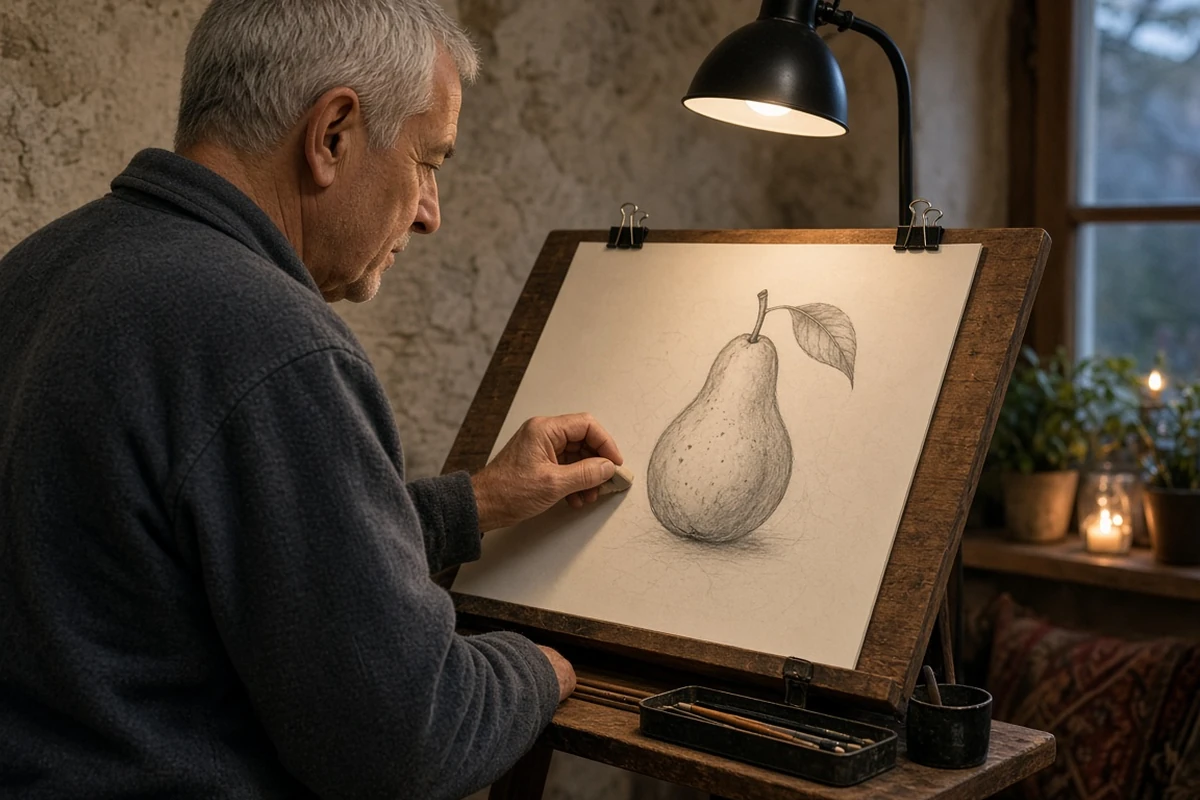
Complex AI references can make drawing challenges harder than they need to be. Request a specific change such as “Keep the main shape but remove the background” or “Show the entire object.” Check hands, joints, shadows and perspective before using a generated image as a model.
The OpenAI image prompting guide illustrates how to request targeted changes. Compare the broad shapes rather than copying every small mark, especially when practicing a new technique.
More sketchbook inspiration
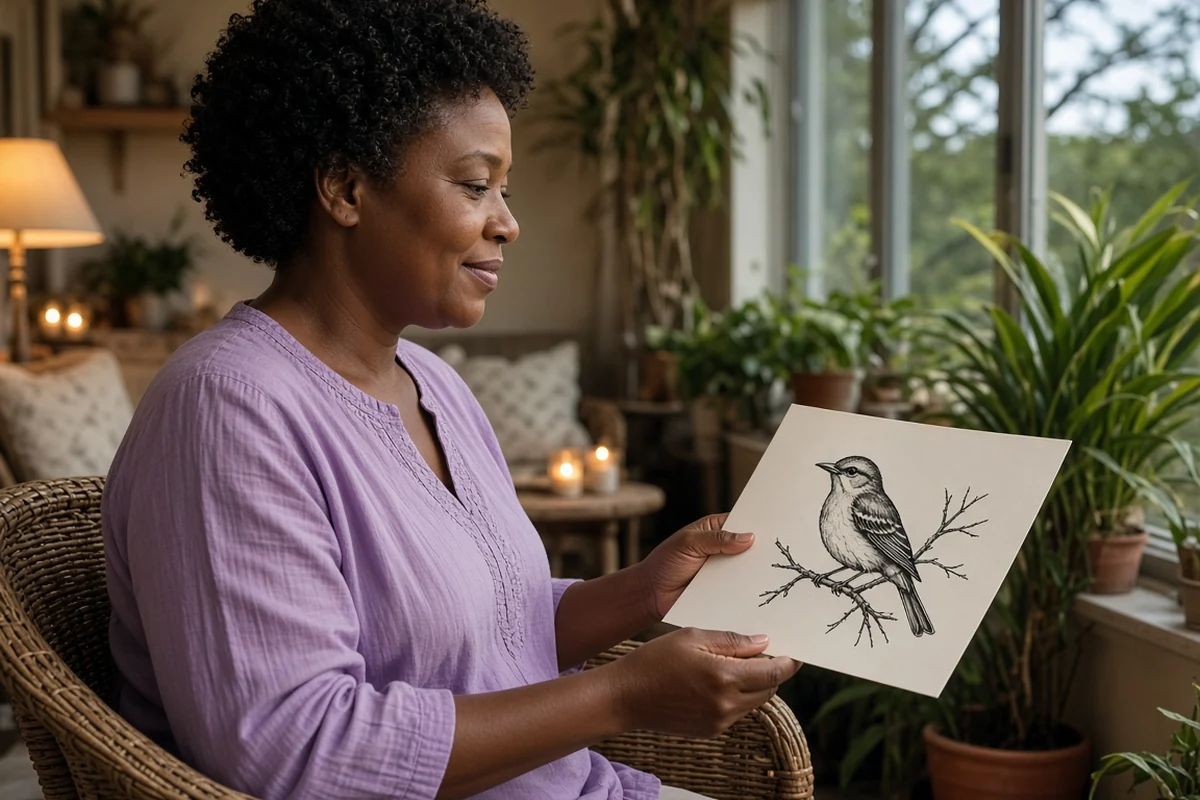
When drawing challenges become familiar, try our royal pet portrait painting prompt for animal practice or Thanksgiving clipart for simple shapes. Explore the drawing ideas category or build a setting from our short story ideas.
Questions about drawing challenges
What are good drawing challenges for beginners?

Choose objects with simple outlines, such as pebbles, folded paper or a spoon. Start with pencil and add shading only after the main shape looks right.
Can I use AI references in drawing challenges?

Yes. Gemini and ChatGPT can create images from written prompts. Use the result as a starting point, then check the shapes and make your own drawing.
How long should daily drawing challenges take?
Try ten to twenty minutes as a personal goal. Shorten a session if you have little time, or spend longer on a subject you enjoy.
What if I miss a day of my drawing challenges?
Continue with the next exercise when you have time. Keep your earlier drawings and compare them with later ones to see what you want to practice again.