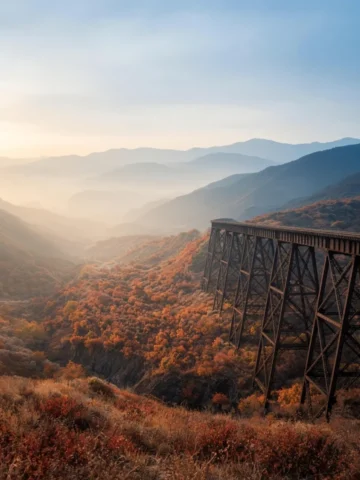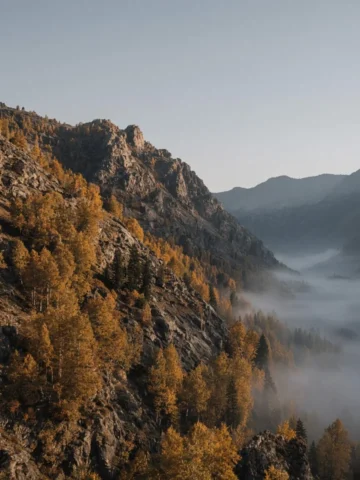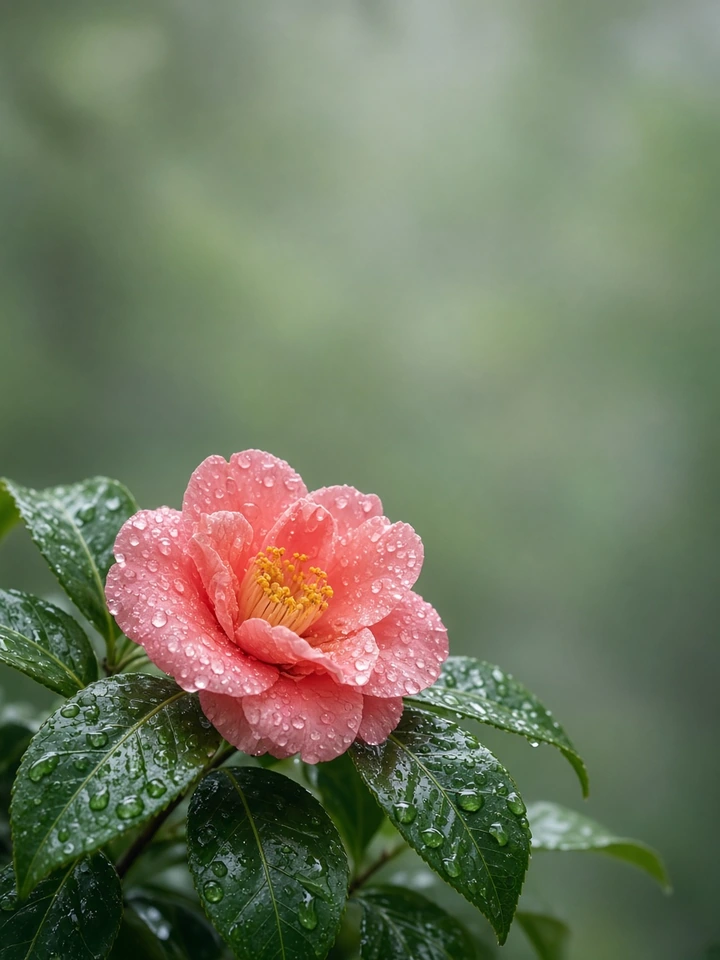
Flower wallpaper works best when the blooms have room to breathe. A single camellia can feel calm, while a wild patch of cosmos feels lively. Choose the mood first, then match the flower, light, and crop to the screen you use most.
Start with the prompt in the box above. The 30 flower wallpaper options below cover soft pastels, close-up petals, garden scenes, vintage drawings, dark flowers, and playful art. Change each prompt for your screen.
Table of Contents
How to use flower wallpaper in Gemini and ChatGPT

Copy a prompt into Gemini or ChatGPT. Pick a portrait flower wallpaper for a phone and a landscape one for a laptop. Tell the tool where the flower belongs. Keep flower wallpaper clear around a clock or app icons. Add your favorite color before generating the image.
OpenAI explains image creation and edits in its image help guide. Google covers image prompts in Gemini Apps Help. Browse the wallpaper prompt collection for other moods. For Windows, check lock screen settings.
Soft pastel flower backgrounds

Pastel flower wallpaper suits a screen that needs to feel light, not busy. Pair one pale bloom with a cool, quiet color. Leave room near the screen edges.
- Peach ranunculus: “Paint three peach ranunculus blooms floating over a mint watercolor wash, delicate petal layers, soft paper texture without visible paper edges, spare upper-right space, airy light, vertical 3:4, full-bleed, no text.”
- Lilac sweet peas: “Draw lilac sweet peas curling around one edge of a pale butter-yellow background, fine colored-pencil grain, gentle spring daylight, empty center for icons, vertical 3:4, full-bleed, no text.”
- Blush anemone: “Create a realistic blush anemone with a dark plum center on powder-blue silk-like blur, soft north-window light, close crop, the bloom low in the frame, vertical 3:4, no text.”
- Baby blue forget-me-nots: “Illustrate tiny blue forget-me-nots scattered lightly across a warm ivory field, small uneven clusters, soft painted edges, lots of breathing room, landscape 3:2, full-bleed, no text.”
- Cream tulip pair: “Photograph two pale cream tulips bending toward each other against misty peach bokeh, subtle green stems, eye-level close focus, no vase in view, vertical 3:4, no text.”
Detailed petals and close-up flowers

Macro flower wallpaper turns a small bloom into a strong design. Ask for veins and one sharp focus point. Let outer petals fade behind icons.
- Crimson dahlia spiral: “Capture an extreme macro of a crimson dahlia spiral, fine dew on the inner petals, soft shade, dark maroon outer blur, centered sharp focus with quiet corners, vertical 3:4, no text.”
- Blue iris folds: “Show folded indigo iris petals from a side macro angle, small golden streaks, cool dawn light, deep charcoal-blue background, fine natural veins, landscape 3:2, full-bleed, no text.”
- White magnolia detail: “Make a close photograph of creamy magnolia petals curling past the lens, warm backlight through their edges, muted olive shadows, generous soft top space, vertical 3:4, no text.”
- Pink carnation ruffles: “Frame one hot-pink carnation with layered ruffled edges in crisp detail, soft slate background, diffused cloudy light, slight off-center placement, landscape 3:2, full-bleed, no text.”
- Golden sunflower center: “Photograph a sunflower disk at a shallow side angle, golden rays falling out of focus, warm late-afternoon light, dark moss backdrop, open lower corner, vertical 3:4, no text.”
Natural gardens and wildflowers
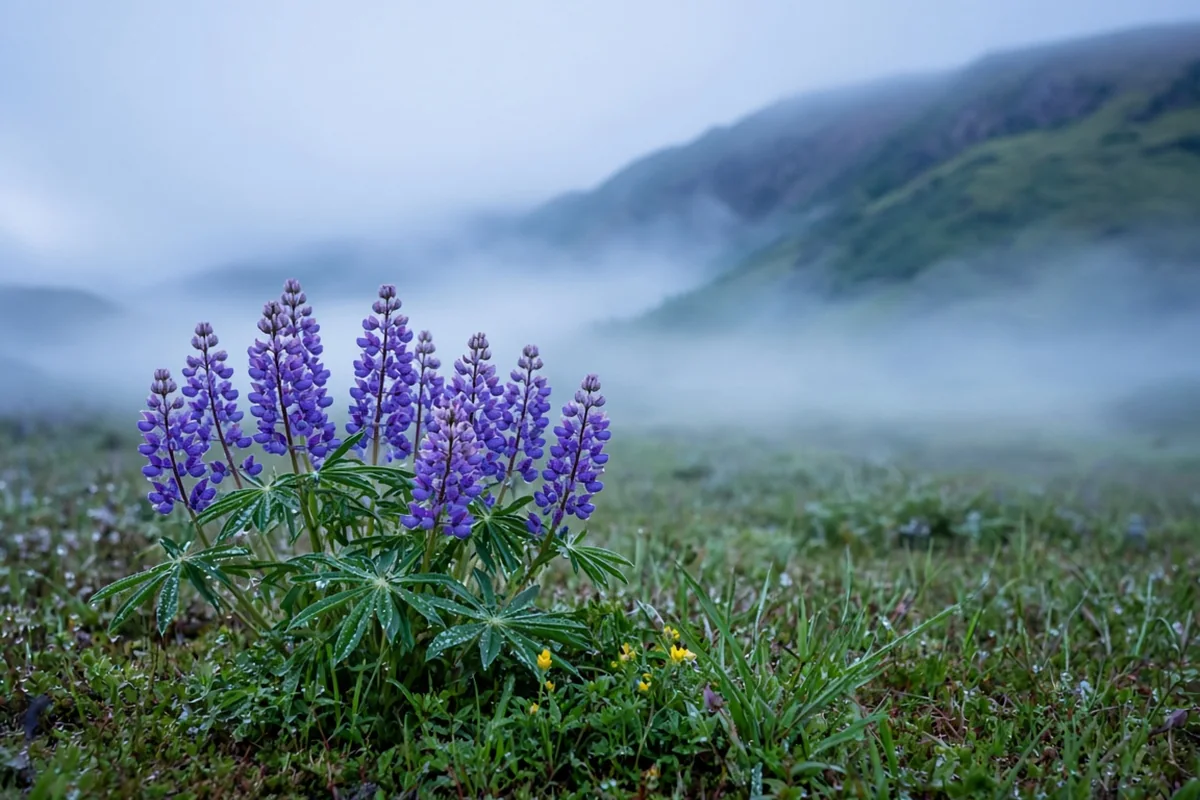
Garden flower wallpaper feels richer with one clear focal point. Choose a single flower group and let the setting recede. Mist can separate stems without fake glow.
- Lupines after rain: “Photograph violet lupines growing from a rain-dark alpine meadow, soft fog over the slope, ground-level lens, distant green blur, cool morning light, landscape 3:2, no text.”
- Cosmos in a breeze: “Show a small row of pink cosmos moving in a summer breeze, one bloom sharp in the foreground, airy pale sky, low side light, space above the flowers, vertical 3:4, no text.”
- Poppies at daybreak: “Create a field-edge view of three scarlet poppies beside golden dry grass, low sunrise grazing the petals, muted background, long gentle shadows, landscape 3:2, full-bleed, no text.”
- Bluebells under beech: “Photograph a patch of bluebells beneath tall beech trunks, woodland shade with soft sun flecks, eye-level pathless view, cool blue and moss-green palette, landscape 3:2, no text.”
- White yarrow by the creek: “Show white yarrow heads leaning toward a narrow creek, close low angle, still gray morning, reeds softly blurred behind, peaceful muted green tones, vertical 3:4, no text.”
Vintage botanical illustrations

Vintage flower wallpaper can feel old-fashioned without labels or paper edges. Ask for fine ink stems and faded pigment. Keep the background plain beneath the clock.
- Foxglove study: “Illustrate one mauve foxglove stalk in antique botanical watercolor, fine sepia ink veins, light oat background, faint pigment blooms, no labels or paper edges, vertical 3:4, no text.”
- Victorian primroses: “Paint yellow primroses with small deep green leaves in a traditional botanical plate style, faded linen tones, soft side shading, open top half, vertical 3:4, no text.”
- Wild rose engraving: “Draw an old printmaking-style wild rose branch with five pale pink blooms, fine crosshatching, muted tea-green background, even layout, landscape 3:2, full-bleed, no text.”
- Pressed violet pattern: “Create a repeat of tiny purple violets and slim leaves as if gently pressed, warm flax background, subtle natural variation, edge-to-edge repeat, full-bleed design, landscape 3:2, no text.”
- Fern and hellebore: “Illustrate a single cream hellebore beside delicate fern fronds, antique gouache texture, dusty stone-green field, a little space near the top, vertical 3:4, no text.”
Moody flowers on dark backgrounds

Dark flower wallpaper works when a bloom has a clean outline. Ask for restrained light and a deep background. Avoid crushed shadows or neon highlights. One flower beats a crowded bouquet.
- Emerald orchid glow: “Photograph a pale green cymbidium orchid against deep charcoal shadow, one narrow soft window beam, realistic petal sheen, off-center bloom with empty dark space, vertical 3:4, no text.”
- Night-blooming jasmine: “Show tiny white night jasmine blooms against inky blue foliage, cool moonlit mood without artificial glows, tight branch detail, soft negative space, landscape 3:2, full-bleed, no text.”
- Burgundy calla lily: “Make a studio-like close view of one burgundy calla lily curling over a near-black velvet-toned backdrop, soft rim light, muted wine palette, vertical 3:4, no text.”
- Copper chrysanthemum: “Photograph a copper chrysanthemum in fading dusk light, fine narrow petals, deep brown-green shadows, slight low angle and soft dark corners, landscape 3:2, no text.”
- Midnight clematis: “Show a deep violet clematis opening among dark climbing leaves, a few silver highlights from a cloudy evening sky, shallow focus, open top space, vertical 3:4, no text.”
Playful illustrated floral designs

Illustrated flower wallpaper lets you control each shape and color. Stick to a small palette and an even rhythm. Place large blooms away from clocks and icons.
- Coral hibiscus shapes: “Design bold coral hibiscus silhouettes and curved teal leaves on buttery yellow, clean flat vector style, uneven playful spacing, calm top center, vertical 3:4, full-bleed, no text.”
- Daisy checker rhythm: “Create a loose repeat of tiny cream daisies on muted cornflower blue, subtle organic spacing rather than a strict grid, cheerful flat illustration, landscape 3:2, full-bleed, no text.”
- Graphic zinnias: “Draw oversized orange and blush zinnias as simplified cut-paper shapes over pale lilac, soft overlapping shadows, spare right side for icons, landscape 3:2, no text.”
- Curvy marigold doodles: “Illustrate three round marigolds with wavy leaves in a friendly hand-drawn style, dusty apricot and olive colors, warm beige background, vertical 3:4, no text.”
- Minimal blue poppy: “Create one simple cobalt poppy with a tiny charcoal center on a matte sand background, subtle imperfect ink edge, lower-left placement, generous empty space, vertical 3:4, no text.”
Fix common mistakes in AI floral backgrounds
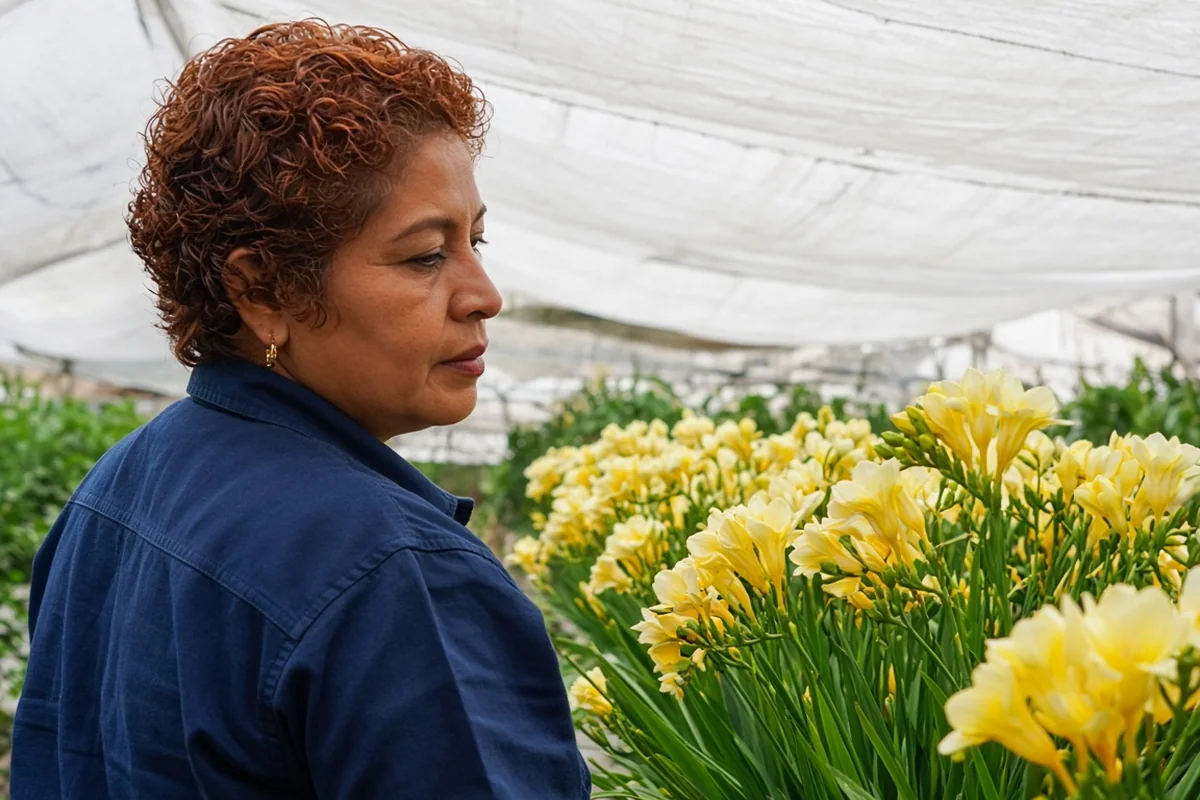
When petals look doubled, request a single flower center. Remove half the stems if the layout feels crowded. Fix odd leaves one at a time. Keep the flower type steady across edits.
Desktop flower wallpaper needs a wider layout than a phone. Microsoft explains its wallpaper image fit settings. Choose a crop that does not cut off the main bloom. Choose soft light for real flower photos.
More botanical background inspiration
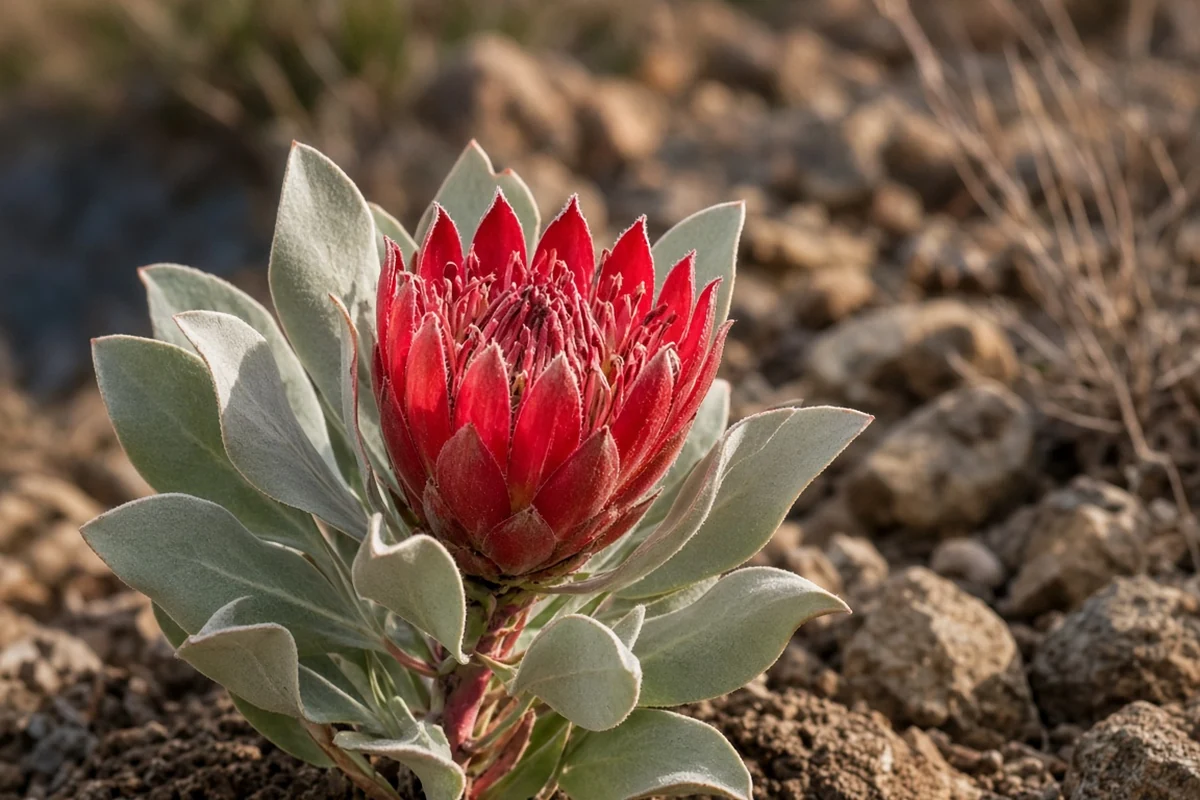
After trying flower wallpaper, shift the mood with winter wallpaper or cute winter wallpaper. Fall wallpaper trades petals for warm leaves and harvest color. Thanksgiving background adds warmer earthy colors. The wallpaper ideas category has more starting points for your next design.
Questions about flower wallpaper

Can ChatGPT make a floral phone background?
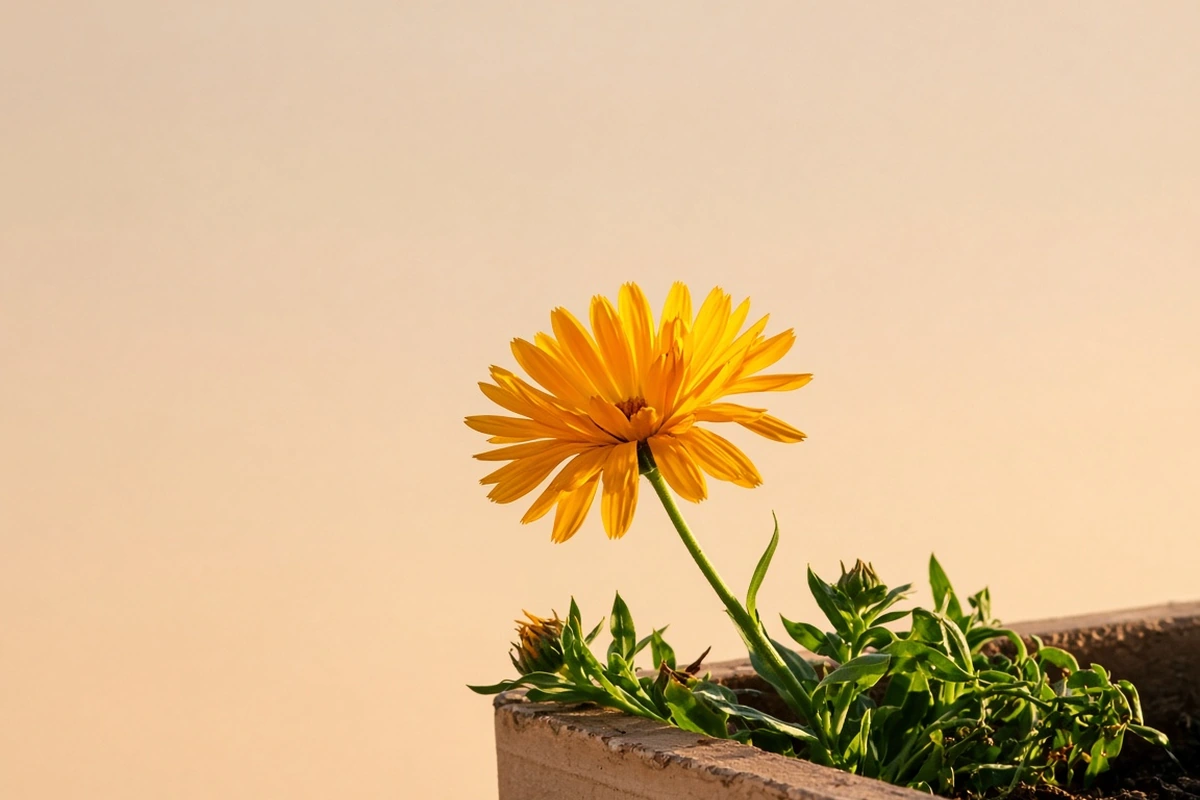
Yes. Describe the blooms, colors, light, and a vertical crop. Leave quiet space near the clock, then check the final image on your screen.
Which flowers work best in a simple background?
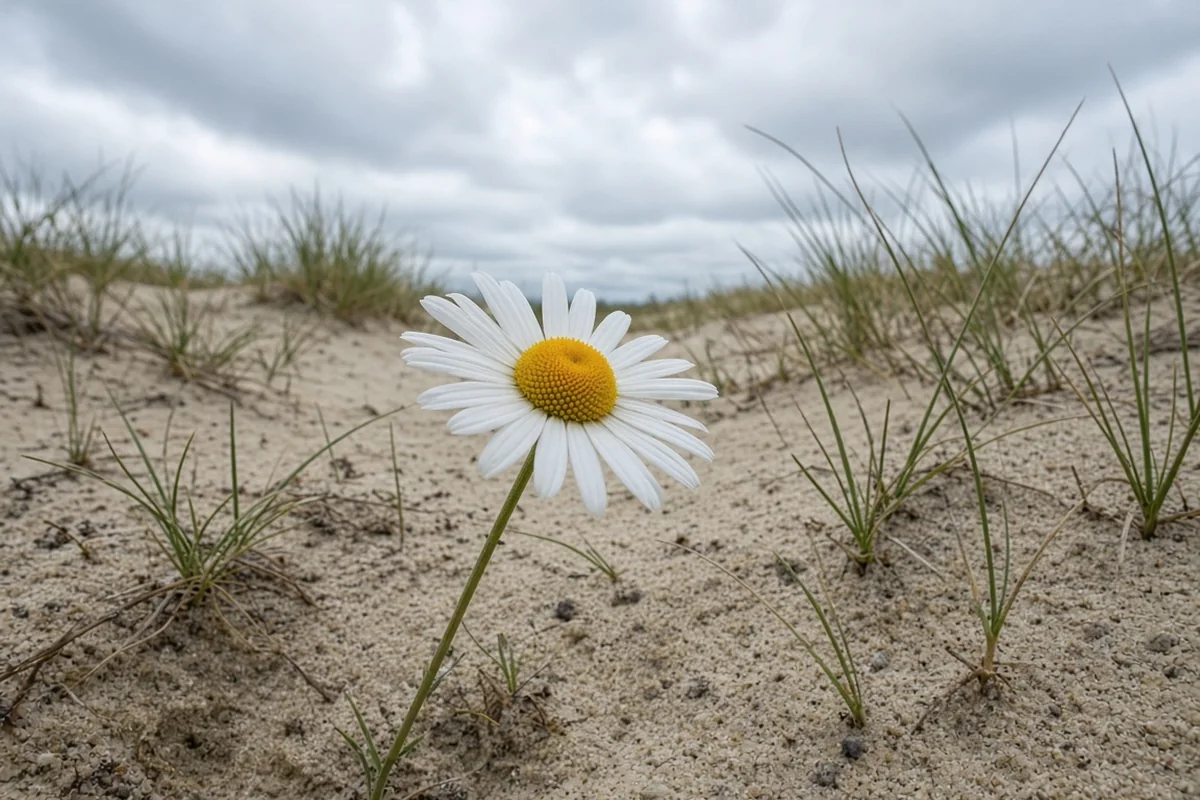
A simple flower wallpaper needs one strong subject, such as a daisy or camellia. A calm backdrop helps the bloom stand out.
How can I make a floral desktop image?

Ask for a wide flower wallpaper with blooms away from icons. Keep the center or one side clear for everyday use.
Why do my AI flowers look crowded?

The prompt may ask for too many blooms. A calm flower wallpaper uses fewer stems, one focal flower, and more open space in the same color palette.