Dragons need more than a pile of gold. Give it a home and a problem. The same approach applies to fantasy art about strange places, magical objects and characters who have never existed.
Start with the prompt in the box above. The 30 options below cover creatures, heroes, landscapes, buildings, enchanted objects and gentle magic. Each idea includes a medium, light and a clear subject.
Table of Contents
How to use fantasy art in Gemini and ChatGPT
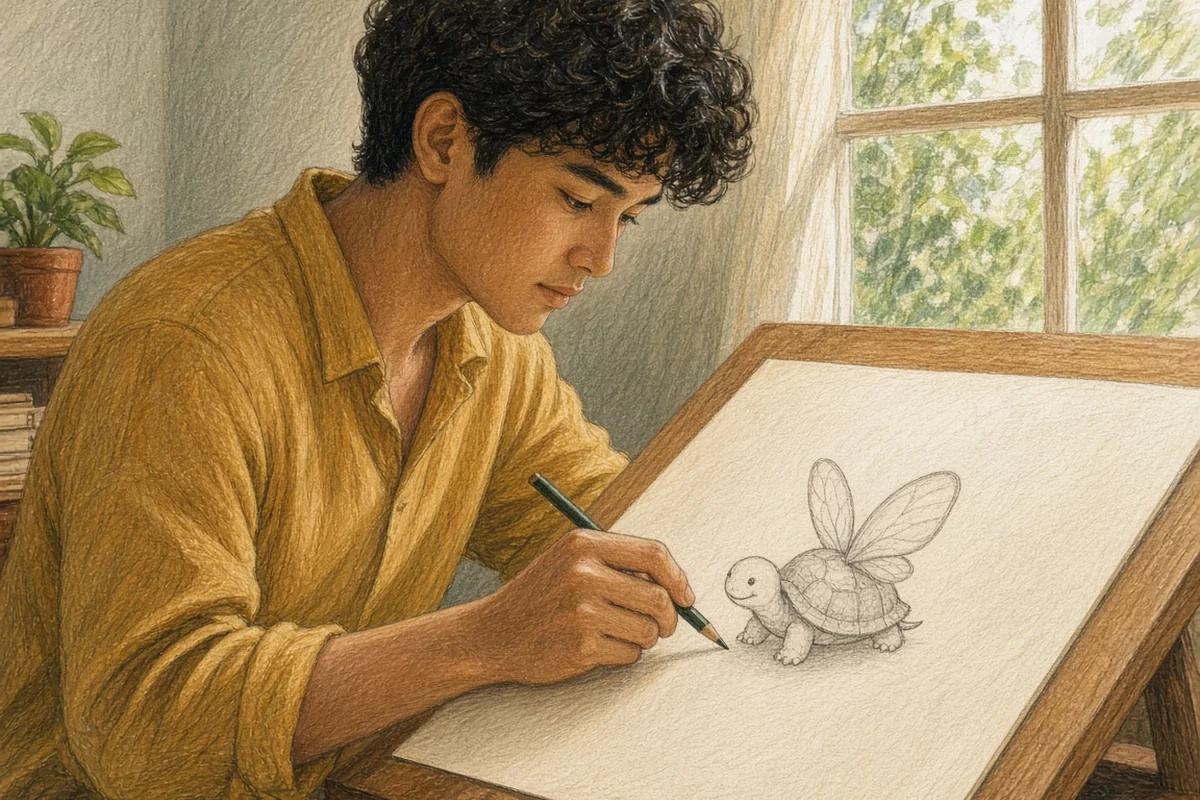
Paste a prompt into either tool and ask it to create an image. Change the medium to match your own supplies. Choose a wide frame for scenery and a tall frame for portraits.
Read the ChatGPT image guide or Gemini image instructions. Keep your first fantasy art draft simple. Borrow colors from our anime cherry blossom idea.
Mythical creatures and beasts

Begin with an animal you know and change just one part of its body. Creature shapes can hint at their habits. Long ears might suit a hunter that tracks sounds beneath snow.
- Bathing dragon: “Paint a copper dragon with folded wings and ivory horns beside a steaming mineral pool. Show turquoise water, wet stones and sunrise in matte gouache, low side view, landscape 3:2, no text.”
- Snow listener: “Draw a white hare with feathered ears and silver antlers listening beside a snowbank. Add blue shadows and exposed grasses in graphite and colored pencil, landscape 3:2, no text.”
- Shell keeper: “Illustrate a giant tortoise carrying an orange orchard on its shell, with trailing roots beside a shallow stream. Render midday light and dry clay in textured watercolor, landscape 3:2, no text.”
- Cloud manta: “Sketch a manta ray swimming through clouds above a mountain pass, with golden flecks along its fins. Add charcoal shadows, chalk highlights and a distant ridge, landscape 3:2, no text.”
- Lantern moth: “Design an amber moth with a glowing abdomen perched on a dark fern. Show delicate wing veins in ink, muted watercolor and gentle dusk light, vertical 3:4, no text.”
Heroes, healers and magical characters
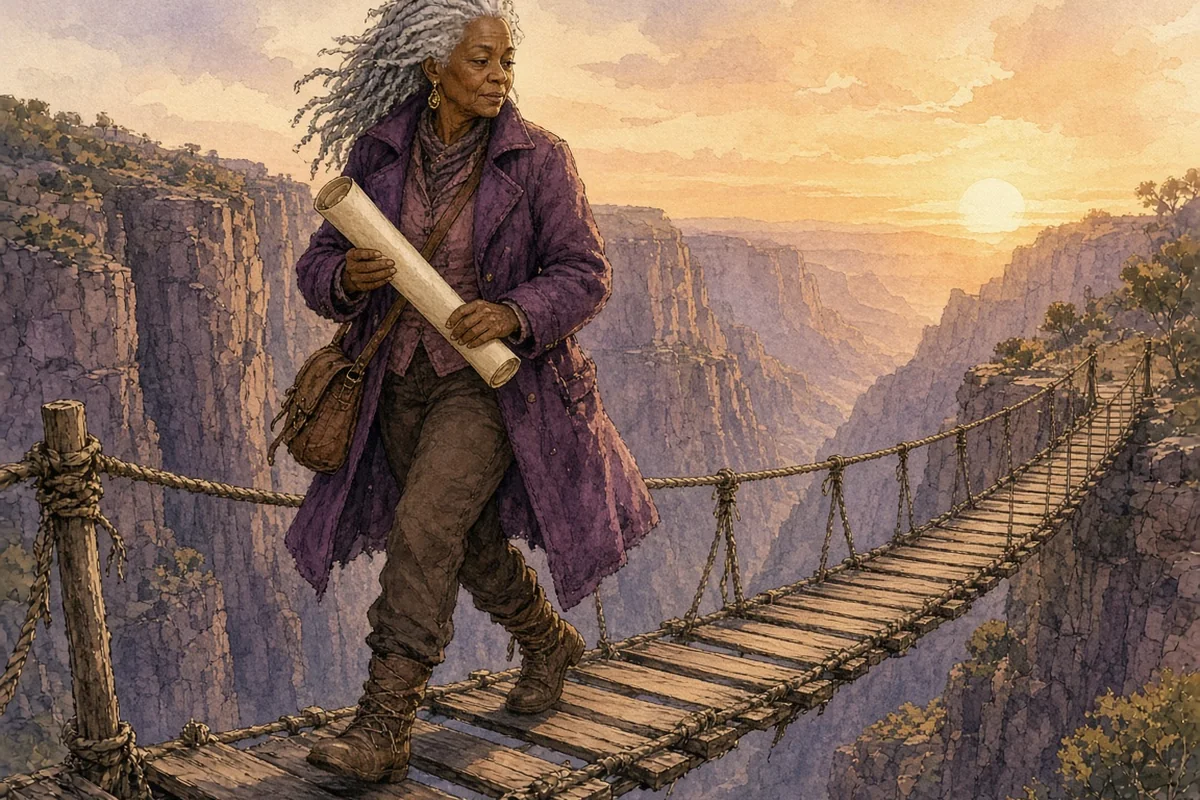
Clothes and tools can tell a story before a character speaks. Choose a trade or a skill for your fantasy art hero rather than piling on ornaments.
- Bridge mapmaker: “Illustrate a silver-haired mapmaker in a plum coat crossing a rope bridge above a red canyon. Include blank rolled parchment, dawn light and transparent watercolor with ink, vertical 3:4, no text.”
- Rain tailor: “Draw a tailor in a mustard tunic sewing a cloak from raindrops inside a stone arch. Show droplets gathering along one seam in gray wash and pen, vertical 3:4, no text.”
- Desert healer: “Paint a healer in a jade robe mending a cracked clay bird in a desert alcove. Add glowing sand and warm reflected light in soft pastel, vertical 3:4, no text.”
- Moon courier: “Design a courier in a slate-blue cape riding a winged deer above terraced hills. Show a leather pouch, twilight and layered acrylic brushwork along a diagonal flight path, landscape 3:2, no text.”
- Seed knight: “Sketch a knight in walnut-shell armor planting a seed beside a ruined well. Add a moss-colored scarf, rounded helmet and morning shadows in graphite, vertical 3:4, no text.”
Enchanted landscapes

Landscape sketches benefit from a clear route through the scene. Try dividing your fantasy art into a close edge, a middle distance and a far horizon.
- Floating steps: “Paint suspended stone steps leading over a misty sinkhole toward a floating island with white roots. Use cool morning watercolor washes and a dark foreground ledge, landscape 3:2, no text.”
- Glass marsh: “Create a marsh with reeds growing from glass, tiny bubbles trapped beneath their stems and a pink sky reflected in shallow water. Use delicate ink and watercolor, landscape 3:2, no text.”
- Sunken orchard: “Illustrate an underwater orchard with glowing golden fruit and fish swimming between branches. Show sunlight shafts, dark green leaves and a sandy foreground in blue acrylic, landscape 3:2, no text.”
- Velvet dunes: “Draw violet fabric dunes with seams following their ridges and a distant tower casting a long shadow. Render broad shapes in dry pastel and evening light, landscape 3:2, no text.”
- Frost waterfall: “Paint a waterfall flowing upward from a frozen basin into a suspended ice arch. Show peach dawn, pale blue watercolor, dark rock edges and sharp white highlights, vertical 3:4, no text.”
Castles, villages and strange buildings

Give each building a purpose before drawing its roof or windows. Villages feel more complete when their doors lead somewhere useful. Block out the main shape before adding rooms.
- Spire cottage: “Draw a cottage carved into a hollow sandstone spire, with an outdoor stair and open balcony. Add sunset light, ink hatching and pale sky behind the roofline, vertical 3:4, no text.”
- Tide library: “Paint a library supported by enormous seashells on a tidal flat, with bridges connecting reading rooms. Show warm windows and cool reflected light in opaque gouache, landscape 3:2, no text.”
- Wind village: “Illustrate wooden homes suspended from woven sails over a grassy valley. Include simple ladders, rounded roofs and wind bending grass in soft colored pencil under afternoon light, landscape 3:2, no text.”
- Root station: “Sketch a ferry landing carved into giant mangrove roots, with curved steps reaching a floating platform. Render damp bark and reflected sunlight in graphite and sepia wash, landscape 3:2, no text.”
- Clockless tower: “Design a tower with an empty circular opening framing the setting sun. Add stone balconies, a spiraling ramp, rust shadows and ochre highlights in angular ink strokes, vertical 3:4, no text.”
Magical objects and easy fantasy drawings
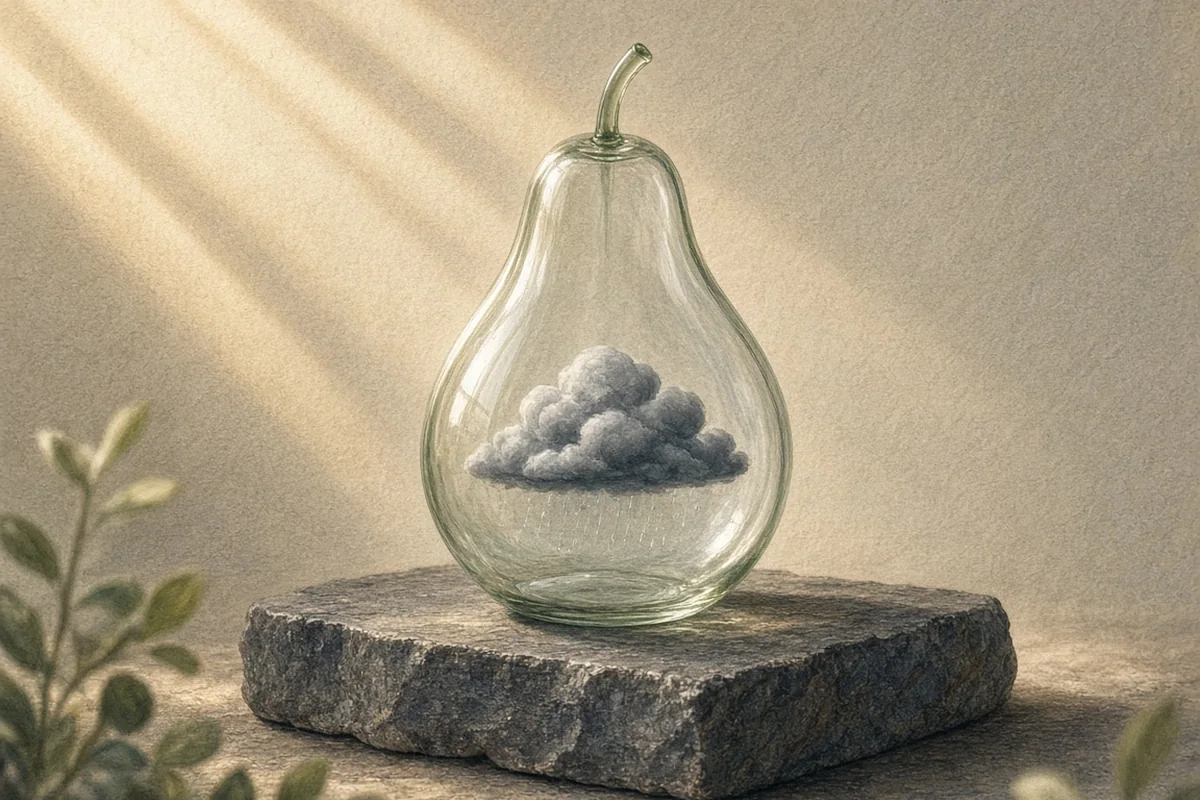
Small objects make manageable fantasy art drawings for a short sketch session. Pick one unusual material and decide how the magic affects it. Plain backdrops help outlines stand out.
- Storm pear: “Draw a glass pear containing a tiny storm cloud with lightning inside. Set it on a stone plinth with colored pencil reflections and afternoon shadows, vertical 3:4, no text.”
- Pocket tide: “Illustrate an open bronze locket holding a miniature curling ocean wave. Rest it on dark blue fabric with metallic hatching, turquoise wash and one bright highlight, landscape 3:2, no text.”
- Living spoon: “Sketch a wooden spoon sprouting a curled leaf, its bowl holding liquid sunlight. Use warm graphite tones and yellow watercolor on plain paper with soft daylight, vertical 3:4, no text.”
- Winter shoe: “Paint a worn boot with a snowy hill growing from its opening, including tiny bare shrubs. Render leather creases and blue winter shadows in thick gouache, vertical 3:4, no text.”
- Echo bell: “Design a coral ceramic bell with ripples of pale light spreading from its mouth. Add a twisted handle, neat ink outlines and soft wash shading, landscape 3:2, no text.”
Whimsical scenes and storybook magic

A gentle story can be just as memorable as an epic battle. When planning fantasy art for a picture book, give the viewer one small event to follow.
- Cloud customer: “Paint a baker in a mulberry apron offering a bun to a floating cloud inside a hilltop bakery. Add warm oven light and rounded gouache shapes, landscape 3:2, no text.”
- Acorn orchestra: “Illustrate three mice playing acorn instruments on a mushroom beneath a leafy canopy. Show morning light, natural paws and expressive ears in soft watercolor and ink, landscape 3:2, no text.”
- Star laundry: “Draw an older man hanging glowing stars along a clothesline between stone pillars at dusk. Include a lilac vest, white beard and gold pencil accents over charcoal, landscape 3:2, no text.”
- Teacup voyage: “Paint a fox sailing a porcelain teacup across a puddle reflecting distant mountains. Add a leaf sail, small water rings and afternoon light in delicate watercolor, landscape 3:2, no text.”
- Paper rain: “Illustrate a child in a turquoise coat catching paper butterflies beneath a courtyard arch. Show folded wings, a delighted face and reflected daylight in soft pastel, vertical 3:4, no text.”
Fix common mistakes in AI illustrations

An image can lose its subject among too many glowing details. Ask for “one light source” or “separate the wings from the body.” Keep the pose unchanged when revising fantasy art.
The ChatGPT prompt guide recommends clear requests and refinement. Try replacing a busy backdrop with a plain wash. For a pencil study, request a limited range of tones instead of polished fantasy artwork.
More magical drawing inspiration

Try the drawing ideas collection for your next sketch. Borrow a palette from winter wallpaper, simplify shapes with Thanksgiving clipart, or develop a fantasy art character through our short story ideas.
Questions about fantasy art
What is fantasy art?

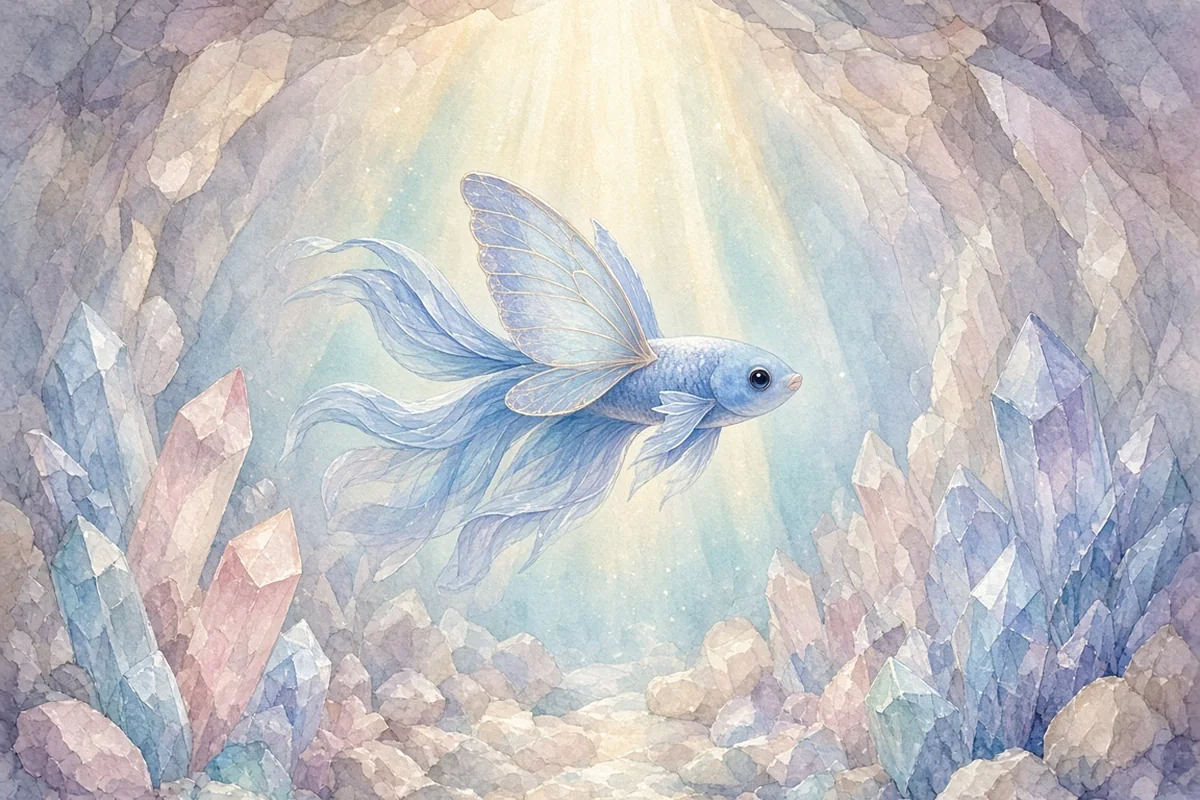
Fantasy art depicts imagined beings, places or events outside ordinary reality. A drawing might feature a mythical animal, an impossible landscape or a person using magic.
Can beginners draw magical scenes with a pencil?

Yes. Start with fantasy art that has one subject, such as a winged snail or a tiny castle. Draw the outline first, then add a few shadows and surface details.
How do I create original fantasy artwork with AI?
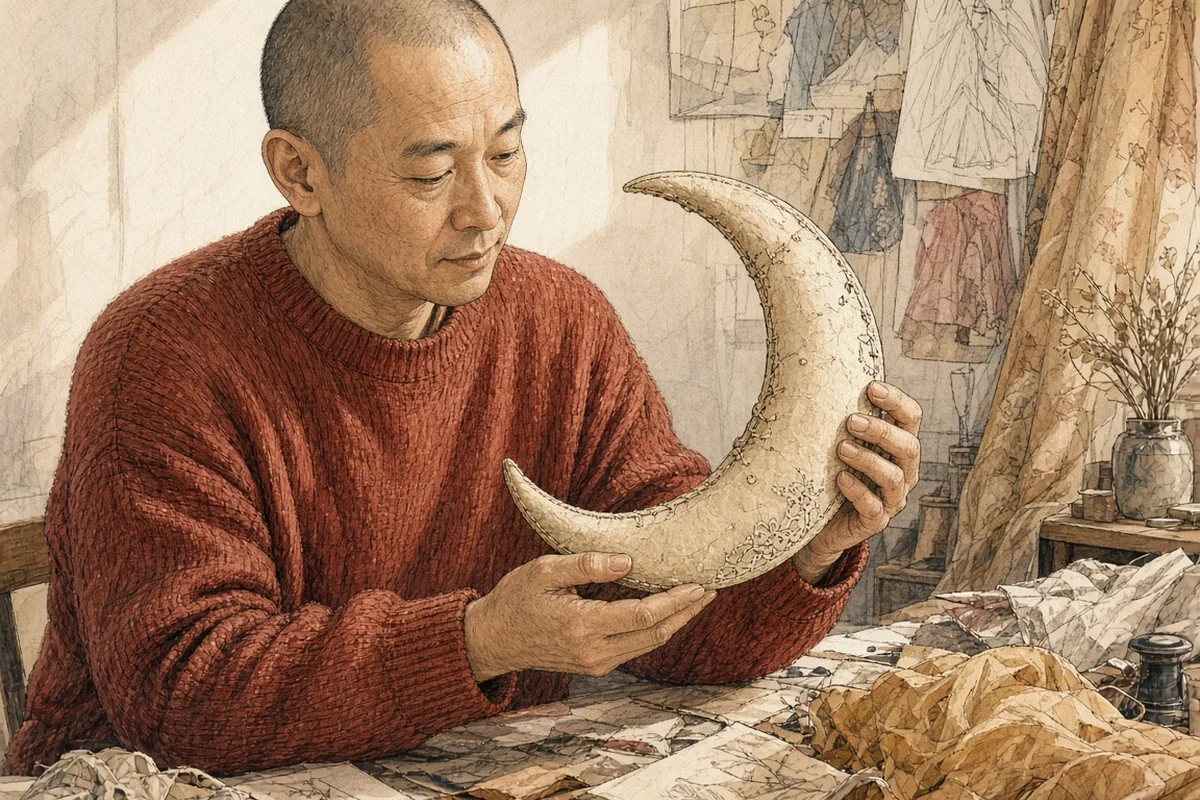
Combine a subject, a purpose and a setting of your own. Revise the generated fantasy art by changing the shape or material rather than copying a familiar character.
Which drawing medium should I choose?
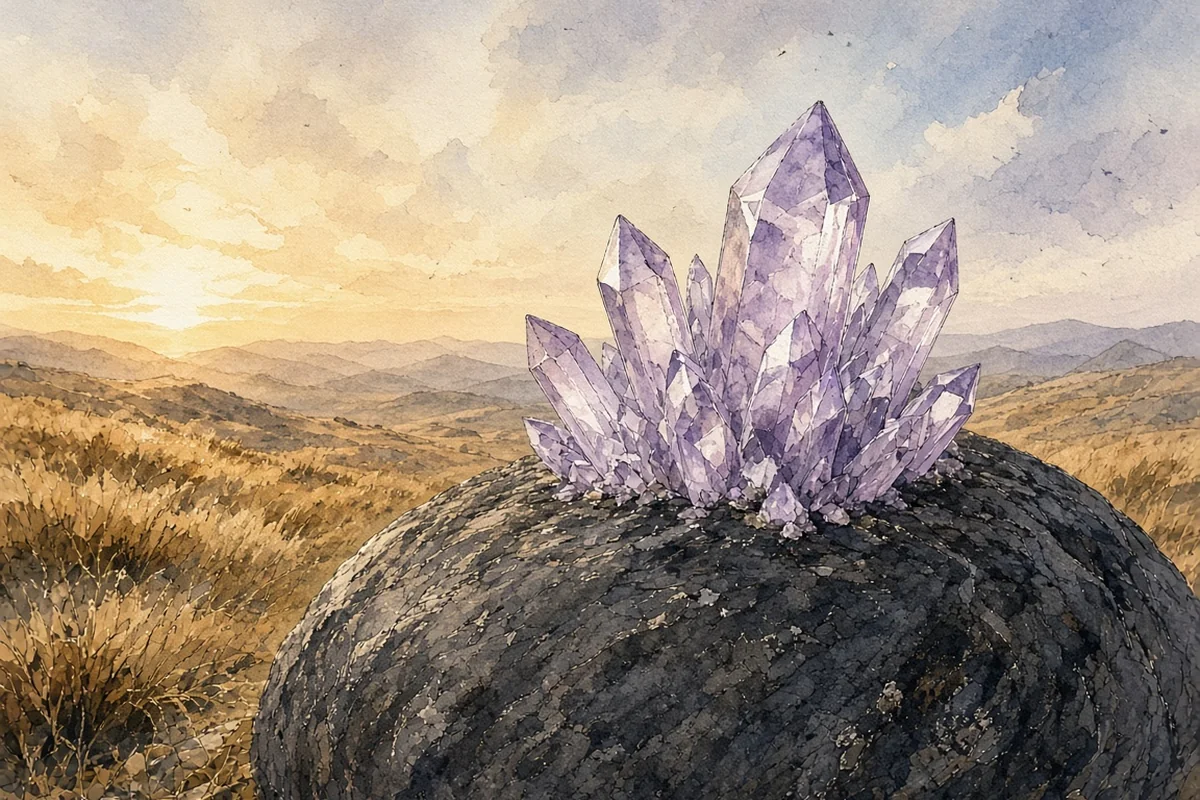
Choose graphite for tonal studies, ink for bold edges or watercolor for gentle color. Your fantasy art can begin as a rough sketch before you decide on a finished medium.